Tracking the Points Meta Airdrop 2026
The landscape for the Points Meta Airdrop 2026 has shifted from speculative rumor to a structured, albeit cautious, ecosystem. As we move through 2026, the distinction between official reward mechanisms and generic "points" marketing campaigns has become sharper. For participants, this means the window for low-effort airdrop hunting is closing, replaced by a focus on verified on-chain utility and official program participation.
The most significant development this year is the reactivation of major infrastructure programs. MetaMask Rewards, for instance, returned in May 2026 with a renewed focus on trading challenges and a new Benefits tab powered by the Miracle system. This isn't just a loyalty program; it's a direct pipeline for potential airdrop eligibility, tying user activity to tangible rewards. Similarly, platforms like Polymarket and Base continue to dominate the anticipation list, not because of vague promises, but because of their established track records and clear, on-chain activity metrics.
However, the "Points Meta" narrative is also rife with noise. Many new protocols are launching points systems that lack the tokenomic clarity of their predecessors. Without a clear path to conversion or a verified team behind the points, these programs often resemble marketing exercises rather than genuine value distribution. The risk here is high: participants may invest time and capital into protocols that have no intention of issuing a token, or worse, those that are designed to extract value from early adopters without reciprocation.
To navigate this, you must prioritize official sources. Rely on announcements from the core development teams and verified social channels rather than third-party aggregators. The market is moving fast, and the difference between a legitimate airdrop opportunity and a speculative trap often lies in the details of the tokenomics and the transparency of the team. Stay focused on protocols with clear, documented reward structures and avoid the allure of unverified "guaranteed" points systems.
Comparing points infrastructure models
Points-based airdrops are not created equal. While the user experience often feels identical—logging in, swapping tokens, or providing liquidity—the underlying infrastructure and distribution logic vary significantly. Understanding these mechanical differences is critical for managing expectations around the Points Meta Airdrop 2026.
Most modern points systems fall into one of three structural categories: retroactive loyalty programs, active market-making incentives, or prediction market participation. Each model carries distinct eligibility criteria and tokenomics structures that determine how value is ultimately distributed.
The table below contrasts the infrastructure mechanics of three prominent points-based ecosystems currently active in the 2026 landscape. This comparison highlights how different protocols calculate value and what phase of development they are currently in.
| Protocol | Points Model | Key Eligibility | Current Phase |
|---|---|---|---|
| MetaMask Rewards | Loyalty & Engagement | Wallet activity, swaps, dApp interactions | Beta/Expansion |
| Hyperliquid | Market Making & Volume | Trading volume, liquidity provision | Points Accumulation |
| Polymarket | Prediction Participation | Bet volume, correct predictions | Active Points |
Loyalty and Engagement Models
Protocols like MetaMask Rewards use points to gamify basic wallet utility. The infrastructure is designed to keep users within the ecosystem by rewarding routine actions—such as swapping tokens or bridging assets—rather than capital intensity. Eligibility is broad, often requiring no minimum deposit, which makes it accessible but potentially dilutive in token distribution.
Market Making and Volume Models
In contrast, infrastructure like Hyperliquid’s points system prioritizes liquidity and trading volume. The model is heavily weighted toward active market makers and high-frequency traders. Eligibility is strict, often requiring significant capital deployment. The tokenomics here are typically designed to incentivize deep order books, meaning points are a direct proxy for capital contribution rather than casual usage.
Prediction Market Participation
Prediction markets such as Polymarket utilize points to measure user engagement with specific event outcomes. The infrastructure rewards both the volume of bets placed and the accuracy of predictions. This model creates a different dynamic where "smart money" behavior is rewarded alongside liquidity provision, distinguishing it from standard DeFi yield farming structures.
When evaluating the Points Meta Airdrop 2026, focus on the specific mechanics of the protocol you are engaging with. A loyalty model rewards consistency, while a market-making model rewards capital. Aligning your activity with the protocol’s specific infrastructure goals is the most reliable way to maximize potential returns.
Execute the Points Meta Airdrop Strategy
Running a Points Meta Airdrop strategy requires treating your wallet like a precision instrument rather than a lottery ticket. The goal is to accumulate points through verified infrastructure mechanics while minimizing the risk of capital overexposure. You are not just farming; you are signaling active participation to protocols that are shifting away from blunt token emissions toward more nuanced incentive structures.
Start by gauging the current market environment. Before committing capital to any specific chain, check the live cost of doing business. High gas fees can quickly erase the potential value of a future airdrop, turning a profitable strategy into a net loss.
With the baseline cost understood, focus on the specific actions that generate points. Most Points Meta systems reward consistent, low-value interactions over sporadic large transactions. This means spreading your activity across multiple blocks or days rather than dumping a large sum in a single transaction. Consistency is the primary metric for these programs.
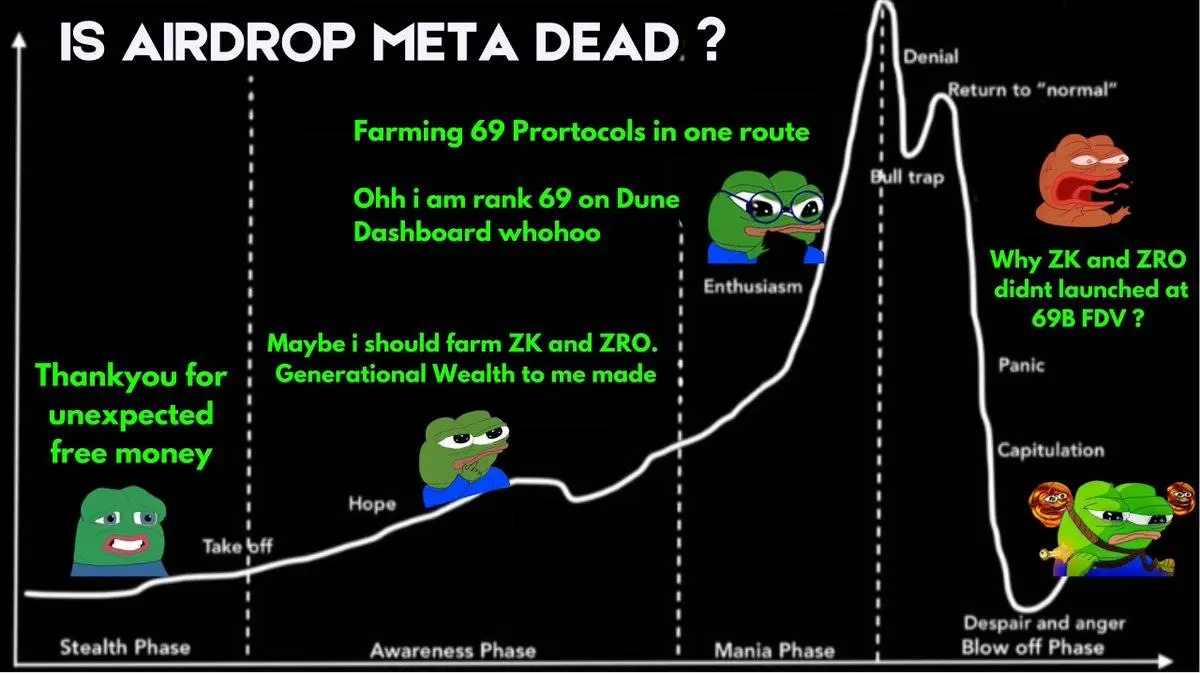
Avoid the temptation to over-leverage. Many users fall into the trap of borrowing assets to amplify their yield, which introduces liquidation risk that outweighs the uncertain reward of a future token. Instead, use idle capital that you are willing to lock up for the duration of the points campaign. If the protocol fails or the airdrop value is lower than expected, your principal remains intact.
Finally, verify your eligibility through official channels. Do not rely on third-party aggregators or social media rumors to confirm your standing. Check the project’s official documentation or dashboard to ensure your wallet address is correctly tracking activity. This step is critical because many Points Meta programs have specific wallet signatures or activity windows that automated tools might miss. By sticking to official data, you ensure that your efforts are actually counting toward the final distribution.
Assessing market research and risks
While the prospect of a Points Meta airdrop is exciting, the reality of points-based systems is far more volatile than simple accumulation suggests. These programs are not guaranteed payouts; they are speculative instruments heavily influenced by project timelines and tokenomics that can shift overnight. The uncertainty surrounding when, how, and if Points Meta will launch its token means that any research you do must prioritize official sources over community speculation.
One of the most significant risks in this space is "points dilution." Projects often extend farming periods or introduce new tiers of activity to maximize user engagement before a token generation event. This means that the points you accumulated months ago may hold less value than anticipated if the token supply is larger than expected or if the distribution model changes. The MetaMask ecosystem, for instance, has seen years of speculation regarding its MASK token, with launches delayed multiple times, illustrating how quickly momentum can stall.
To understand the broader market context, it is helpful to look at how other major protocols handle these transitions. The crypto market is currently seeing a surge in points-based airdrop announcements for 2026, with projects like those highlighted by DL News preparing to distribute tokens to early users. However, each project has unique mechanics. Some may airdrop to wallet holders, while others require active interaction with specific dApps. Without verifying these details, you risk participating in programs that do not align with your risk tolerance or investment goals.
The volatility of these assets is reflected in the broader market. As new tokens launch and points systems mature, their associated assets often experience significant price swings. Monitoring these trends can provide insight into how the market values these speculative rewards.
Ultimately, treating Points Meta airdrop participation as a low-risk opportunity is a mistake. It requires the same due diligence as any other crypto investment. Focus on understanding the infrastructure mechanics, verify all claims through primary sources, and be prepared for the possibility that the final token value may differ significantly from current projections.
No comments yet. Be the first to share your thoughts!