Points meta airdrop analysis limits to account for
Use this section to make the Points Meta Airdrop Analysis decision easier to compare in real life, not just on paper. Start with the reader's actual constraint, then separate must-have requirements from details that are merely nice to have. A practical choice should survive normal use, maintenance, timing, and budget. If a recommendation only works in an ideal situation, call that out plainly and give the reader a fallback path.
The simplest way to use this section is to write down the must-have criteria first, then compare each option against those criteria before weighing nice-to-have features.
Points meta airdrop analysis choices that change the plan
The shift from direct token distribution to points-based systems has fundamentally altered the risk profile for crypto participants. Points are essentially IOUs—promises of future value that depend on a project’s ability to survive the transition to a token launch. While this model allows projects to test product-market fit with lower immediate dilution, it introduces significant uncertainty for users who commit time and capital.
Evaluating these tradeoffs requires looking beyond the headline potential payout. You must weigh the probability of a successful token generation event (TGE) against the opportunity cost of locked capital. The following comparison breaks down the structural differences between traditional airdrops and the modern points meta, helping you decide where to allocate effort.
| Feature | Traditional Airdrop | Points Meta | Risk Profile |
|---|---|---|---|
| Distribution Timing | Immediate upon TGE | Delayed, often years after launch | Low |
| Capital Efficiency | High (no prior commitment required) | Low (requires active usage/staking) | High |
| Eligibility Transparency | Opaque retroactive snapshots | Clear, real-time leaderboard metrics | Medium |
| Token Price Volatility | High initial sell pressure | Uncertain future valuation model | High |
The core tension lies in predictability versus potential upside. Traditional airdrops offer immediate liquidity but often suffer from massive sell-offs that drive prices down, as seen with many 2023 launches. In contrast, points systems like those on Base or Polymarket offer clearer eligibility criteria but require sustained engagement. If you are risk-averse, the immediate clarity of a traditional drop may be preferable despite the volatility. If you seek higher leverage on early-stage protocols, the points meta offers a path to larger multipliers, provided you can tolerate the risk of a failed TGE.
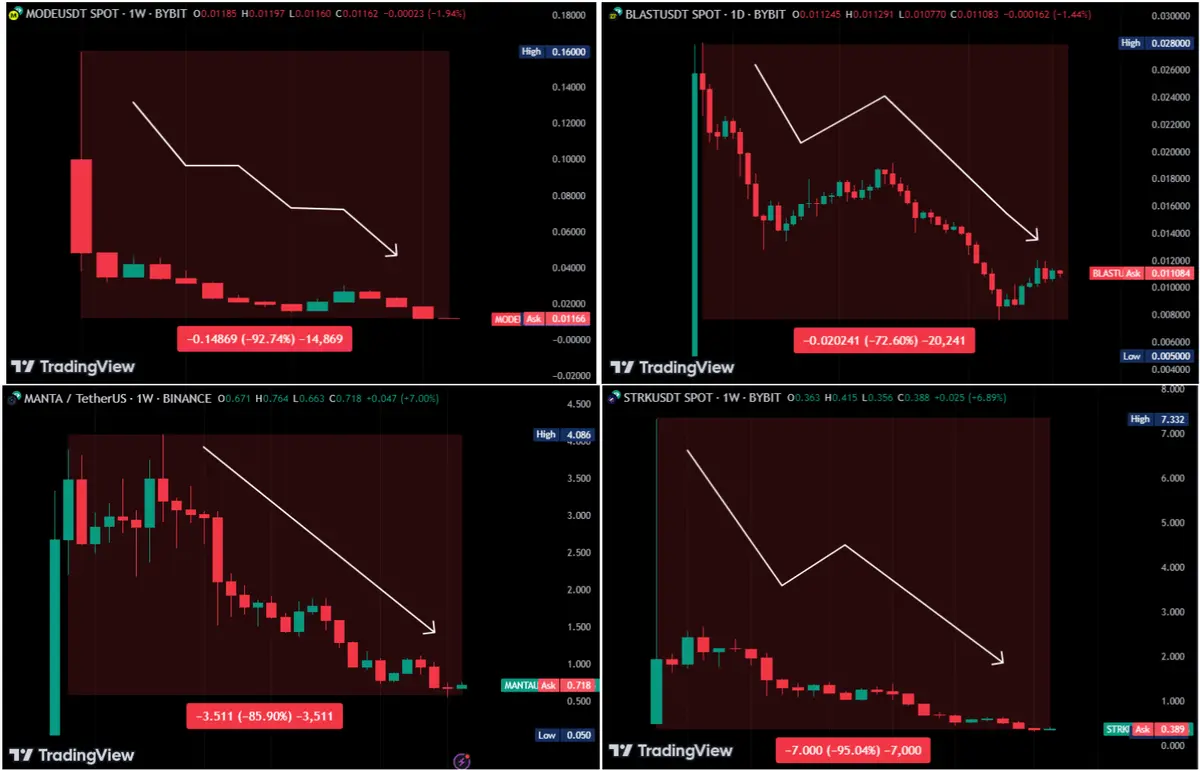
When analyzing specific projects, look for mechanisms that align long-term holder incentives. Projects that lock points or require staking for boosts often signal confidence in future utility, whereas those with infinite point inflation may dilute rewards to zero. Use the technical chart above to monitor the price action of recently launched points-based tokens like HYPE. Significant volatility or downward trends in the post-airdrop period often indicate that the initial hype has faded, suggesting that new points systems may face similar headwinds unless they deliver unique utility.
Choose the next step
Points Meta Airdrop Analysis works best as a clear sequence: define the constraint, compare the realistic options, test the tradeoff, and choose the path with the fewest hidden costs. That order keeps the advice usable instead of decorative. After each step, pause long enough to check whether the recommendation still fits the reader's actual situation. If it depends on perfect timing, unusual access, or a best-case budget, include a simpler fallback.

Watchouts: Avoid the Weak Options
Not every airdrop candidate deserves your capital or time. The "airdrop meta" often shifts from genuine utility to speculative noise, leaving participants with tokens that underperform significantly. A 2023 analysis by Gate.com highlights a lull in performance, noting that many projects fail to deliver value post-launch. To maximize your Points Meta airdrop potential, you must filter out weak options that trap liquidity or offer negligible upside.
The "Airdrop Arena" Points Trap
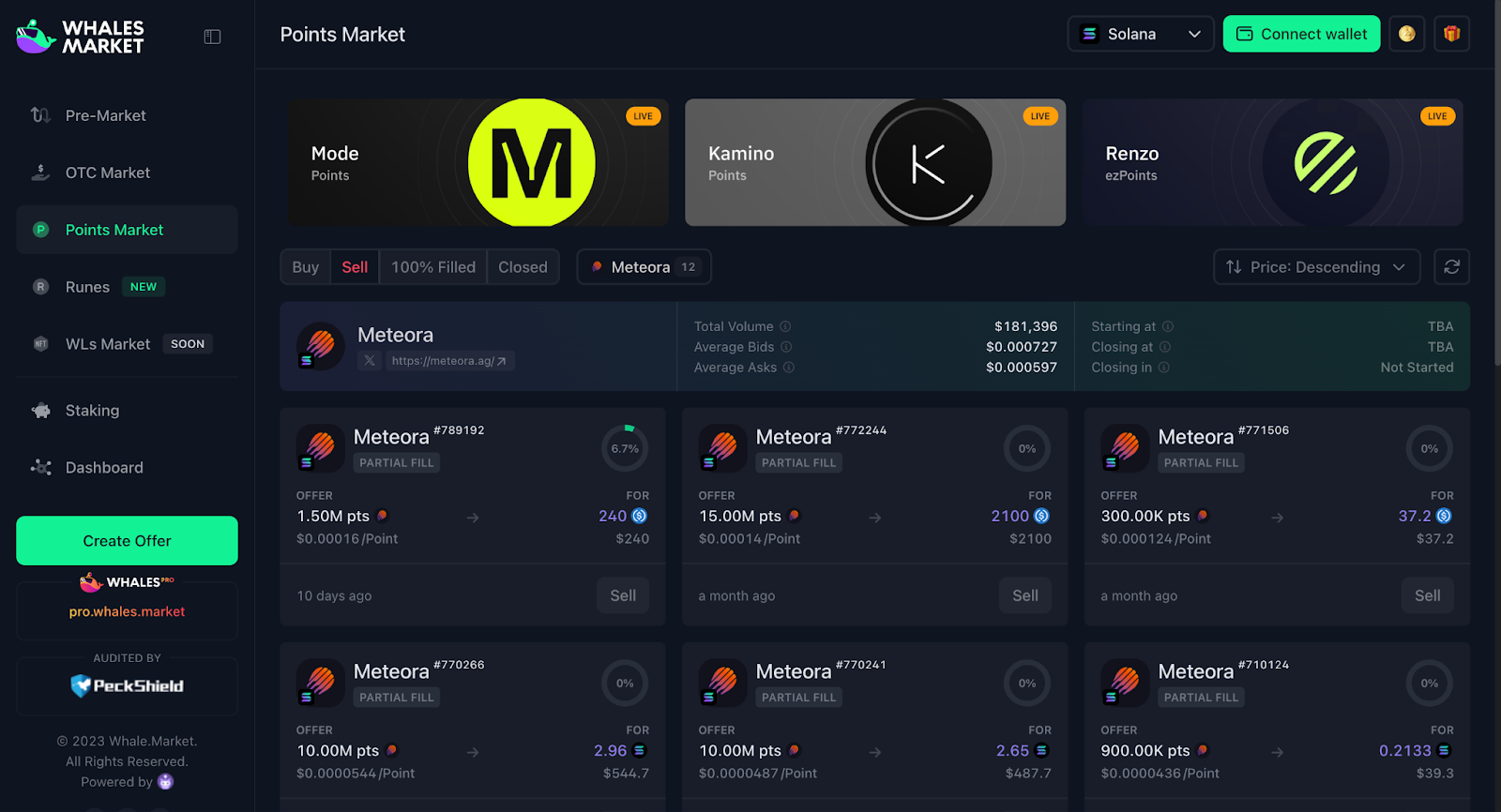
Points systems are frequently misinterpreted as guaranteed payouts. In the crypto airdrop arena, points are often garnered by allocating assets like CRO, but the conversion rate to actual token value is rarely linear. For example, Crypto.com’s Airdrop Arena awards one point for every 100 CRO allocated, alongside daily snapshots based on balance and boosters. This structure encourages locking capital without ensuring proportional returns, especially if the final token distribution is diluted among thousands of participants.
Hype vs. Reality: The Hyperliquid Example
High-profile airdrops can create misleading expectations. According to ASXN data, the Hyperliquid airdrop distributed 274 million HYPE tokens across 94,028 addresses. While the total supply sounds substantial, the average airdrop amount per address was 2,915.66 HYPE, with a median of just 64.53 HYPE. This disparity shows that "average hype" often masks a long tail of tiny rewards. Relying on the mean average is a common mistake; the median figure reveals that most participants receive minimal value, making the opportunity cost of holding weak positions high.
Red Flags to Watch
Avoid projects that promise high multipliers without clear utility or transparent tokenomics. Weak options often lack a clear path to value accrual, relying instead on speculative trading volume. Always check the vesting schedules and total supply dynamics before committing resources. If a project’s whitepaper is vague or its team is anonymous, it likely falls into the category of weak options that will underperform in the long run.
| Feature | Strong Option | Weak Option |
|---|---|---|
| Token Distribution | Transparent vesting | Hidden or immediate dump |
| Community Engagement | Active developer updates | Bot-driven hype |
| Utility Post-Launch | Real revenue share | Speculative trading only |
Points meta airdrop analysis: what to check next
Helpful gear
Use these product recommendations as a starting point, then choose the size, material, and price point that fit how you actually use the gear.
As an Amazon Associate, we may earn from qualifying purchases.
No comments yet. Be the first to share your thoughts!