How MetaMask points actually work
The MetaMask Rewards program operates on a straightforward premise: you earn points by using the wallet for its core functions. According to the official MetaMask documentation, opting into the program allows you to accumulate points primarily through two activities—swapping tokens and trading perpetual futures directly within the MetaMask interface [src-6]. This is not a passive yield farm; it is an activity-based loyalty system designed to reward active users.
It is critical to distinguish between the points you see in your dashboard and any potential future token allocation. Points are a metric of engagement, not a direct claim on airdropped assets. The program is structured to identify and reward consistent DeFi users, but the mechanism for converting those points into actual token value remains undefined. As of now, the points serve as a signal of your activity level rather than a guaranteed equity stake.
The infrastructure behind these points relies on on-chain data verification. When you swap or trade via MetaMask, the protocol logs this activity. The system then aggregates this data to calculate your reward tier. This means that using third-party wallets or external bridges to interact with the same protocols will not contribute to your MetaMask points balance. The value is tied strictly to the user experience within the MetaMask application itself.
Understanding this distinction prevents unrealistic expectations. While the "points meta airdrop strategy" is a popular topic in crypto communities, the current reality is that points are a precursor to potential benefits, not the benefits themselves. The actual utility of these points—whether they lead to a token sale, fee discounts, or governance rights—is still being shaped by the developers. For now, the strategy is simply to maintain an active, clean history of on-chain transactions through the official wallet.
Core yield activities for points
The points meta isn't about passive holding; it's about transactional velocity. MetaMask Rewards distributes points primarily through two high-frequency actions: token swaps and perpetual futures trading. These are the mechanical levers you pull to accumulate the score that defines your airdrop eligibility.
Think of this as a gamified loyalty program where gas fees are the cost of entry and volume is the currency of reward. Every swap executed through the MetaMask built-in aggregator or every margin position opened on supported DEXs contributes to your total. The system tracks these interactions in real-time, rewarding the users who keep the protocol active.
Swaps and Perps
Swapping tokens through the MetaMask interface is the most direct path to points. When you use the built-in swap feature, you are routing liquidity through MetaMask's partners, and the protocol logs this activity as a high-value interaction. This is distinct from using a standalone DEX like Uniswap directly on a browser; the points are tied to the MetaMask wallet's native transaction flow.
Perpetual futures (perps) offer a higher density of points per unit of activity. Because perps involve leverage and repeated settlement, they generate more on-chain data and fee revenue for the underlying infrastructure. If your strategy involves high-frequency trading, perps will accelerate your point accumulation significantly faster than simple spot swaps.
How Multipliers and Levels Accelerate Your Points
Building a points meta airdrop strategy requires more than just logging in; it demands an understanding of how MetaMask’s infrastructure rewards specific behaviors. The platform operates on a tiered system where your activity level determines your point yield. These "upgrades" are multipliers that significantly boost the value of every swap or transaction you make.
The core mechanic revolves around stacking points through consistent use of MetaMask’s built-in DeFi tools. When you opt into MetaMask Rewards, you begin earning points for swapping tokens or trading perps directly within the wallet. However, the real acceleration comes from leveraging promotional events and network-specific boosts. These temporary multipliers often appear during major network upgrades or seasonal campaigns, offering 2x or even 3x points for specific actions. Ignoring these windows is inefficient; they are the primary way to compress weeks of grinding into days.
To visualize how different networks and activity types compare in terms of yield potential, consider the following breakdown. While MetaMask aggregates liquidity from various chains, the efficiency of point accumulation can vary based on gas fees, transaction frequency, and current promotional weights. Understanding these differences allows you to route your activity where it counts most.

| Network / Activity | Base Point Yield | Multiplier Potential | Best For |
|---|---|---|---|
| MetaMask Swaps (Ethereum) | 1x | 1.5x - 2x (Promo) | High-frequency small swaps |
| MetaMask Swaps (Base) | 1x | 2x - 3x (Seasonal) | Low gas, high volume |
| Perpetual Trading | 2x | 1.5x (Vol-based) | Experienced DeFi traders |
| Bridge Transfers | 0.5x | 1.5x (New User) | Onboarding and initial setup |
The key to maximizing these multipliers is timing. MetaMask frequently rotates which networks or actions are "boosted" to drive liquidity to newer ecosystems. By keeping an eye on official announcements and adjusting your routing accordingly, you can ensure your points meta airdrop strategy remains efficient. It is not just about doing more; it is about doing the right things at the right time.
| Network | Base Yield | Max Multiplier | Best Strategy |
|---|---|---|---|
| Ethereum Mainnet | 1x | 2x | Swap during promo events |
| Base | 1x | 3x | High-volume low-cost swaps |
| Arbitrum | 1x | 1.5x | Bridge and hold |
| Optimism | 1x | 1.5x | DeFi interaction |
| Polygon | 0.5x | 1x | Minimal activity |
Tools for tracking and optimization
You cannot optimize what you cannot measure. The MetaMask Rewards program changes its multiplier rules and eligibility criteria frequently, making manual tracking a losing game. To build a reliable points meta airdrop strategy, you need to rely on official dashboards and third-party aggregators that update in real-time.
The Official MetaMask Rewards Dashboard
Start with the source of truth: the MetaMask Rewards dashboard. This is the only place where your accumulated points and current multipliers are officially recorded. The interface is straightforward—opt-in once, and the dashboard begins logging your swaps and perpetual trades. Because the program’s mechanics shift without warning, checking this panel weekly ensures you aren’t farming with outdated assumptions. If the dashboard doesn’t reflect your activity, the points won’t count toward the final distribution.
Third-Party Aggregators and Analytics
While the official dashboard tracks your history, third-party tools help you visualize your efficiency. Analytics platforms often provide deeper insights into your transaction frequency and gas spend relative to points earned. These tools are essential for spotting trends, such as which specific DeFi protocols are currently offering boosted multipliers. Using these aggregators allows you to pivot your activity toward high-yield areas before the general market catches on.
Real-Time Market Context
Your points strategy is tied to the broader crypto market. Volatility in major assets can impact your trading volume and, consequently, your point accumulation rate. Monitoring live market data helps you time your swaps and trades to maximize efficiency rather than just frequency.
Managing Risk and Gas Costs
Earning MetaMask points feels like free money, but the infrastructure behind it carries real costs. If you treat every swap as a pure win, you might miss the hidden expenses that eat into your potential airdrop value. A disciplined points meta airdrop strategy requires you to calculate the net benefit of every interaction.
Gas Fees and Slippage
Gas fees are the most immediate threat to profitability. On busy networks like Ethereum Mainnet, a simple token swap can cost $10 to $50 or more in transaction fees. If your point earnings are small, these fees can quickly turn a "profitable" activity into a net loss. Always compare the potential point value against the current gas price before signing a transaction.
Slippage is another silent killer. When you swap tokens, you set a slippage tolerance—the maximum price change you accept. Setting this too high means you might receive far fewer tokens than expected, reducing your portfolio value. Setting it too low means the transaction fails, and you still pay the gas fee. A moderate setting, usually 0.5% to 1%, balances efficiency with safety.
Smart Contract Risks
Beyond fees, you are interacting with smart contracts that may have bugs or vulnerabilities. While MetaMask itself is a secure wallet, the dApps you connect to for swapping or providing liquidity are third-party. A flawed contract can lead to a drain, wiping out your assets regardless of your point-earning strategy.
To mitigate this, stick to well-audited, high-volume protocols. Avoid new or obscure contracts offering unusually high point multipliers. The risk of a total loss outweighs the potential gain from a few extra points. Always verify the contract address and check community sentiment before connecting your wallet.
Network Choice
Consider using Layer 2 networks like Arbitrum or Base for your swaps. Gas fees on these networks are significantly lower, often under $0.10 per transaction. This allows you to farm points more frequently without the high overhead of Mainnet. It’s a smarter way to accumulate points while preserving your capital.
Points meta airdrop strategy: your checklist
Execute this sequence to maximize your MetaMask Rewards points. Treat this as a checklist, not a suggestion list. Every action counts toward your final allocation.
Navigate to the MetaMask Rewards dashboard inside the extension or mobile app. Toggle the opt-in switch. Without this active enrollment, your swaps and trades will generate zero points, regardless of volume.
Use the integrated Perps platform within MetaMask. Perps trading typically offers a significantly higher points multiplier compared to standard token swaps. Focus your liquidity here to accelerate your farm.
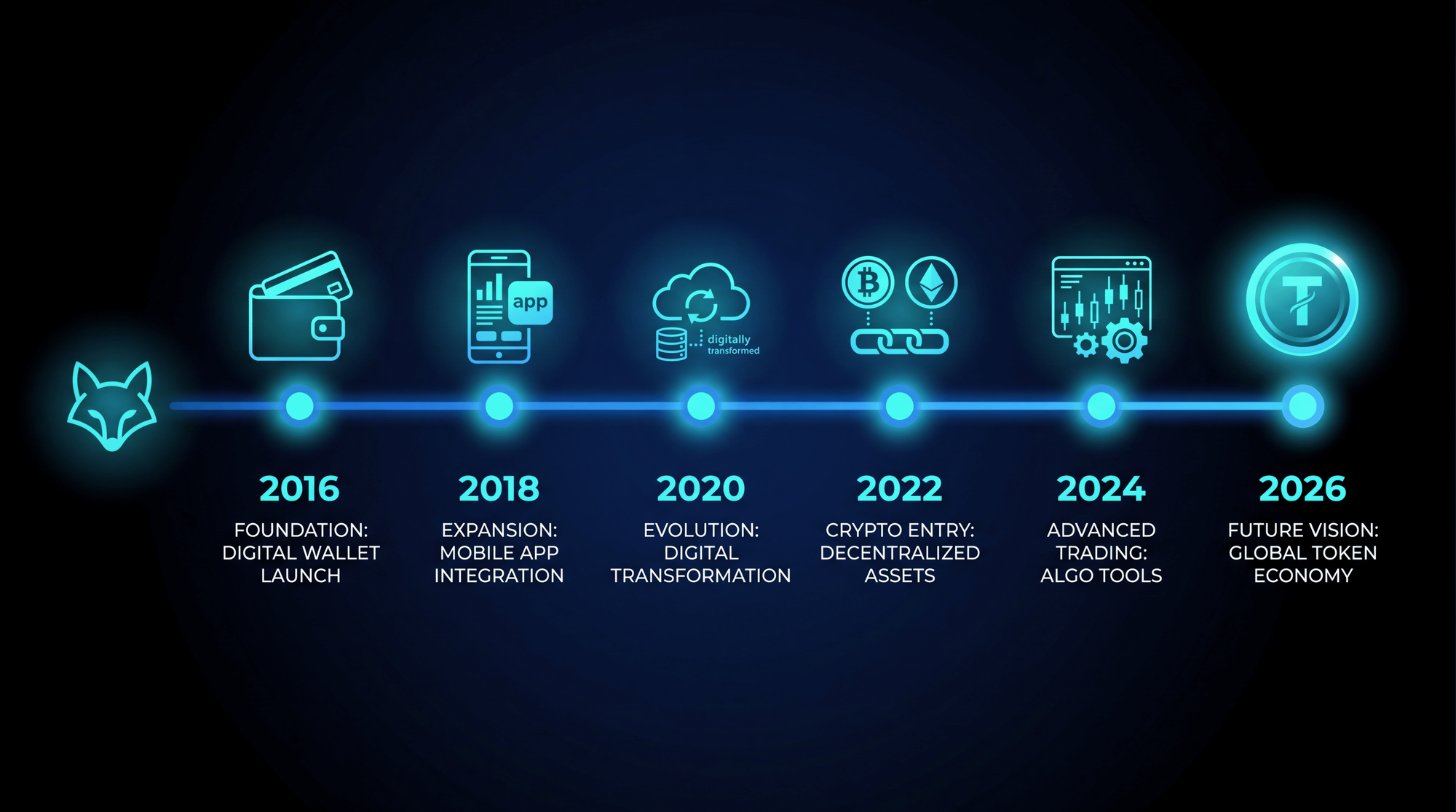
Swap tokens using MetaMask Swaps regularly. Even small, frequent swaps contribute to your activity history. Consistency matters more than a single large transaction; aim for daily or weekly activity.
Keep an eye on your point balance in the Rewards dashboard. Ensure your wallet remains active and secure. Avoid leaving your wallet dormant for long periods, as activity is a key eligibility factor.
Frequently asked questions about the points meta airdrop strategy
Is the points meta airdrop strategy profitable? Yes, provided you treat it as a calculated investment of time rather than free money. In 2025 and heading into 2026, airdrops remain a high-yield opportunity if you filter for projects with strong fundamentals. The MetaMask points system specifically rewards active DeFi users, making it a viable way to capture value from ecosystem growth without upfront capital.
What are the biggest upcoming airdrops in 2026? While MetaMask is a primary focus, the broader 2026 landscape includes major distributions from OpenSea, LayerZero, Base, and Polymarket. OpenSea has an official SEA token confirmed but no launch date yet, while LayerZero retains a large community allocation. Monitoring these alongside your MetaMask activity ensures you aren't missing broader market movements.
How does the airdrop marketing strategy work? Projects use airdrops as a core marketing strategy to distribute tokens to wallet addresses, raising awareness and incentivizing engagement. For MetaMask, this means the protocol rewards you for swapping tokens or trading perps. By staying active in the ecosystem, you position yourself as a prime candidate for future distributions, turning routine wallet usage into strategic equity.
Helpful gear
Use these product recommendations as a starting point, then choose the size, material, and price point that fit how you actually use the gear.


As an Amazon Associate, we may earn from qualifying purchases.
No comments yet. Be the first to share your thoughts!