The current state of points meta airdrop analysis
Use this section to make the Points Meta Airdrop Analysis decision easier to compare in real life, not just on paper. Start with the reader's actual constraint, then separate must-have requirements from details that are merely nice to have. A practical choice should survive normal use, maintenance, timing, and budget. If a recommendation only works in an ideal situation, call that out plainly and give the reader a fallback path.
The simplest way to use this section is to write down the must-have criteria first, then compare each option against those criteria before weighing nice-to-have features.
How points infrastructure tracks your on-chain activity
The "points meta" shifts the focus from direct token drops to tracking systems that measure user engagement before a launch. Protocols like MetaMask and Crypto.com Arena use these internal ledgers to quantify activity, creating a bridge between daily usage and potential future rewards. Understanding how these systems record data is essential for verifying your eligibility.
MetaMask’s GitHub-tracked metrics
MetaMask’s potential airdrop relies heavily on activity within its integrated wallet and browser extensions. According to analysis of their infrastructure, points are allocated based on spot and futures trading volume conducted through the platform, alongside historical activity rewards. The project has made its scoring logic partially transparent by uploading the points system code to its official GitHub repository. This allows users to see exactly how trading volume and past interactions translate into the points balance visible in the app.
Crypto.com Arena’s snapshot mechanism
Crypto.com uses a different approach with its Airdrop Arena. Users earn points by allocating CRO from their Token Wallet into the arena. The system calculates rewards based on a snapshot of your allocated balance and any active Point Boosters at the time of calculation. For instance, every 100 CRO allocated typically generates one point, with daily snapshots adjusting the total based on current holdings. This method rewards consistent capital allocation rather than just transactional frequency.
Verifying your eligibility on-chain
To track your progress, you must look beyond the user interface of these apps. For MetaMask, check your in-app rewards dashboard, which aggregates your on-chain interactions. For Crypto.com, the Airdrop Arena section displays your current point total and the CRO balance being counted. Since these systems are centralized within their respective apps, there is no single public explorer for all points. However, you can verify your underlying activity by reviewing your transaction history on the relevant blockchains (such as Ethereum or BSC) to ensure your trades and deposits were recorded correctly.
Market Reality: Do Points Actually Pay Off?
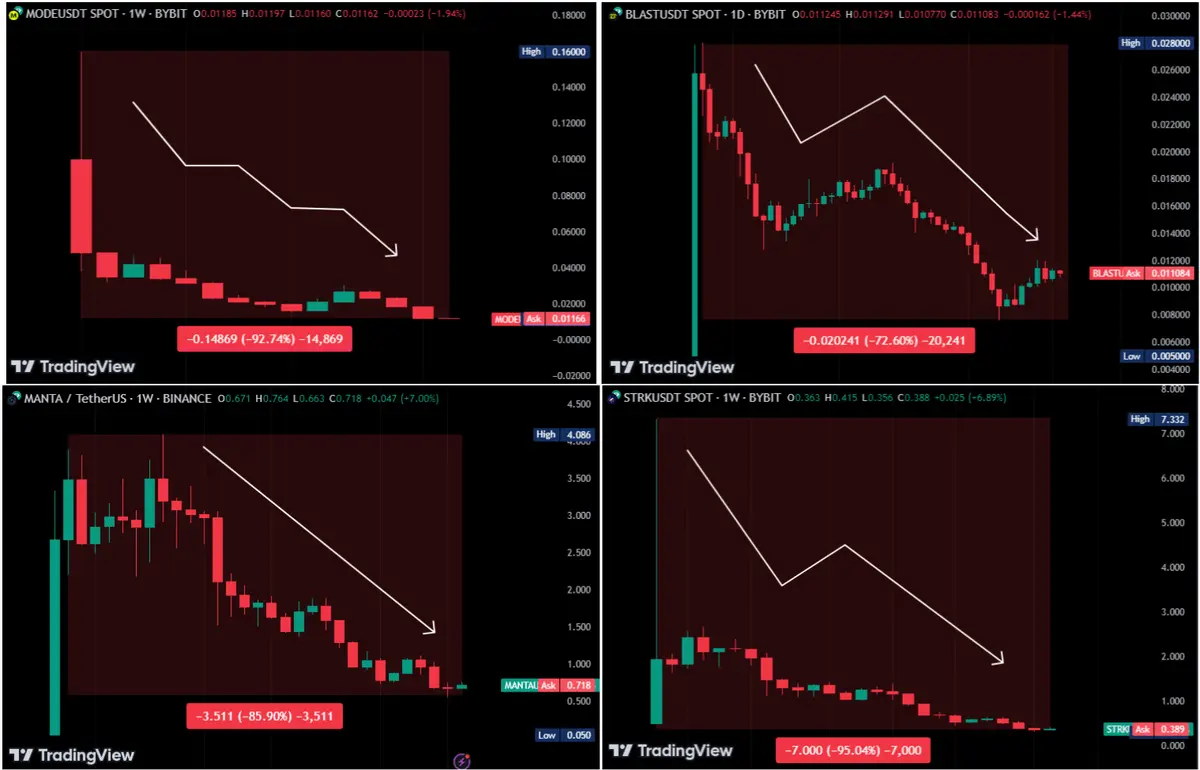
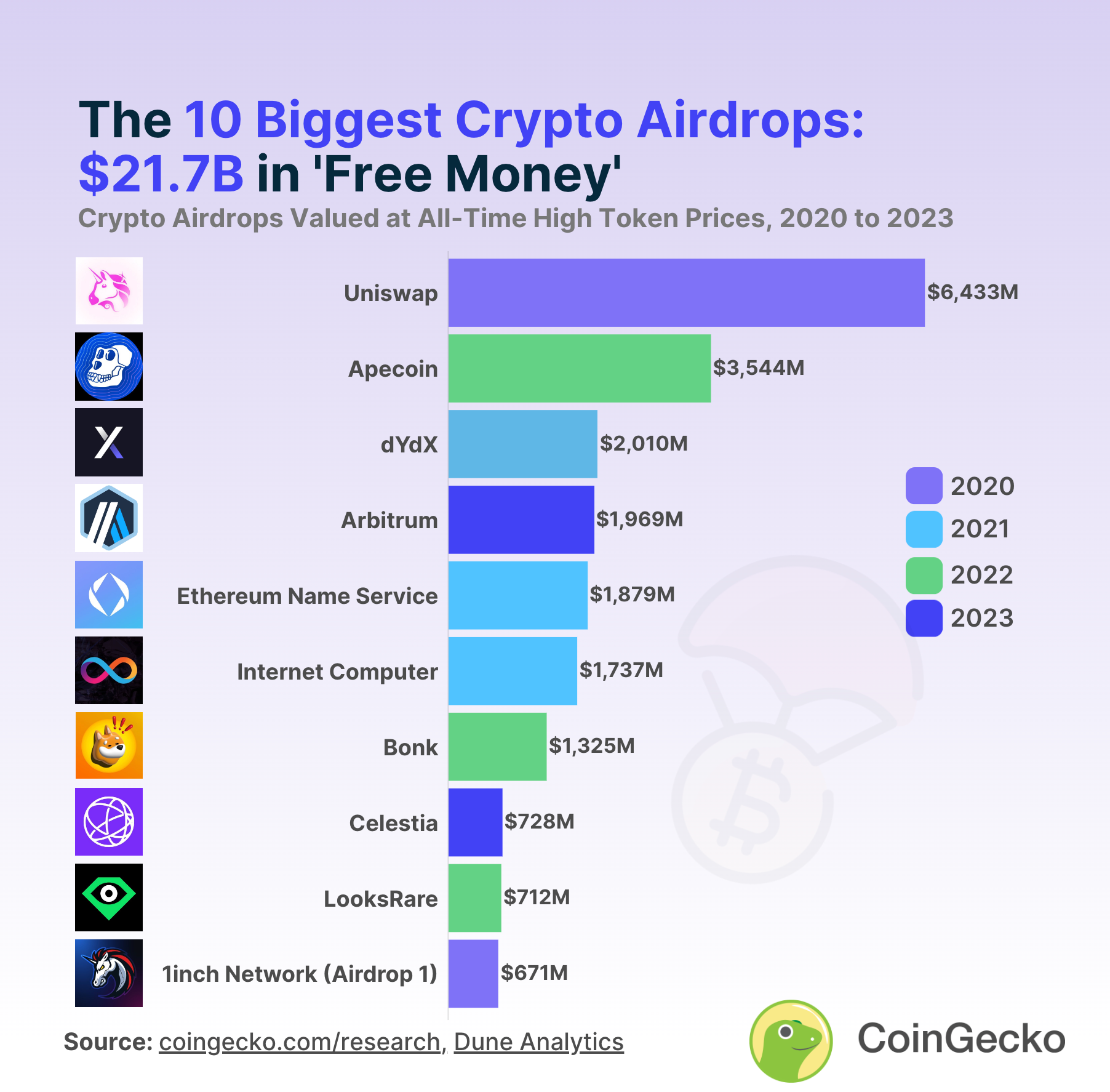
The points meta is not a guaranteed lottery ticket; it is a high-variance market. While the narrative suggests that accumulating points leads to significant wealth, the data from 2023 through 2026 shows a stark divide between projects that deliver value and those that dump on early participants. Understanding this variance is essential for allocating your time and gas fees wisely.
Recent analysis indicates that a significant portion of airdrop tokens have underperformed relative to their initial listing prices. Projects that fail to address the "farmer problem"—where tokens are distributed to users who immediately sell—often see their token prices collapse. This dynamic makes the choice of which points programs to pursue a critical financial decision, not just a gameplay mechanic.
To assess this, you must compare candidates based on tangible metrics rather than hype. The following table contrasts top 2026 airdrop candidates, highlighting the trade-offs between points accumulation ease, estimated potential value, and the cost of participation.
| Project | Points Ease | Est. Value | Gas/Cost |
|---|---|---|---|
| LayerZero | High | High | Medium |
| Base Network | Medium | Medium | Low |
| OpenSea | Medium | High | Low |
| Polymarket | Low | Medium | Low |
Market sentiment for these assets remains fluid. Tracking live price action helps you gauge whether the market is pricing in future airdrop expectations or if the tokens are already trading at peak valuation.
Community discussions often highlight the pain points of maximizing efficiency in these programs. Many users report that simply farming tokens without understanding the underlying protocol mechanics leads to poor returns. The key is to focus on projects with strong utility and clear tokenomics that can sustain value post-launch.
Optimize Your Points Meta Strategy
Building a points-based portfolio requires the same discipline as managing a traditional financial account. You need to balance yield, risk, and operational overhead. The goal is to maximize your allocation efficiency without exposing your capital to unnecessary smart contract or gas fee risks.
Start by identifying which assets are actively generating points. Most protocols award points based on staked or locked balances. Review your current holdings and remove any assets that do not contribute to your target airdrop criteria. This consolidation reduces complexity and ensures your capital is working harder.

Points are often calculated at specific intervals called snapshots. These can be daily, weekly, or monthly. Use official protocol dashboards or third-party trackers to note these dates. Ensure your positions are funded and stable before the snapshot window opens to avoid missing the allocation.
Frequent transactions can erode your returns, especially on high-fee networks. Batch your interactions when possible. If you are operating on Ethereum mainnet, consider using Layer 2 solutions or bridging assets to more cost-effective chains if the protocol supports multi-chain point accumulation.
Security is paramount. Use a dedicated hardware wallet for airdrop activities to isolate your main funds. Verify all contract addresses directly from the official project documentation. Avoid clicking links in social media DMs or unofficial forums. A compromised wallet means zero points and zero assets.

Don't rely on a single source for points. Spread your capital across multiple reputable protocols that are likely to issue tokens. This diversification hedges against the risk of any single project failing to launch or changing its reward structure. Refer to market research for the most promising candidates in 2026.
| Metric | Optimization Strategy | Impact |
|---|---|---|
| Snapshot Timing | Pre-fund before window | High |
| Gas Fees | Batch transactions | Medium |
| Security | Hardware wallet | Critical |
Risks and pitfalls in the points meta
The points meta is not a passive savings account; it is a high-stakes game of chicken where the house often changes the rules mid-game. While the upside of a successful airdrop is undeniable, the structural risks are significant enough to wipe out months of effort in a single day. Understanding these pitfalls is the difference between a profitable exit and a total loss.
The most immediate threat comes from protocol-level changes. Projects increasingly use retroactive eligibility checks, meaning your activity today might be invalidated if the terms of service shift tomorrow. Always read the latest documentation before accumulating points, as retroactive snapshots can exclude accounts that appear too bot-like or inactive during critical windows. A single update to the points distribution model can render your entire strategy obsolete.
Beyond protocol changes, market mechanics pose a severe danger. Sybil attacks—where bad actors create thousands of fake accounts to hoard points—force protocols to implement strict anti-fraud measures. If your activity mirrors these patterns, you risk being blacklisted. In addition, wash trading to inflate volume metrics is increasingly detected by on-chain analytics tools. Many protocols now explicitly disqualify users who engage in circular trading, making artificial inflation a costly mistake.
The aftermath of these risks is often a flooded market. As noted in industry analysis, if airdrop tokens are distributed primarily to "farmers" who immediately sell, the price can be dumped on, making it hard to overcome in the long run. This dynamic means that even if you successfully manage the technical risks, the financial outcome may still be negative if the token launch is poorly managed or if the supply is too high relative to demand.
To mitigate these risks, treat points as speculative options rather than guaranteed assets. Diversify your exposure across multiple protocols to avoid total loss from a single project's policy change. Monitor official channels for any shifts in anti-sybil policies, and ensure your on-chain behavior remains consistent with genuine user activity rather than optimized farming tactics.
No comments yet. Be the first to share your thoughts!