Points meta airdrop analysis limits to account for
The "points meta" has shifted from a speculative gold rush to a structured infrastructure play. In 2023, airdrops were often unearned windfalls. By 2026, protocols like MetaMask and Crypto.com have institutionalized the process, turning vague promises into quantifiable metrics. Understanding these constraints is the difference between farming and investing.
The Mechanics of Points
Points are no longer just vanity numbers; they are the primary data layer for airdrop eligibility. For example, MetaMask rewards users for on-chain activity—trading, swapping, and spending—climbing reward levels that unlock tangible perks like fee discounts. Similarly, Crypto.com’s Airdrop Arena ties points directly to CRO allocation, calculating rewards daily based on snapshot balances.
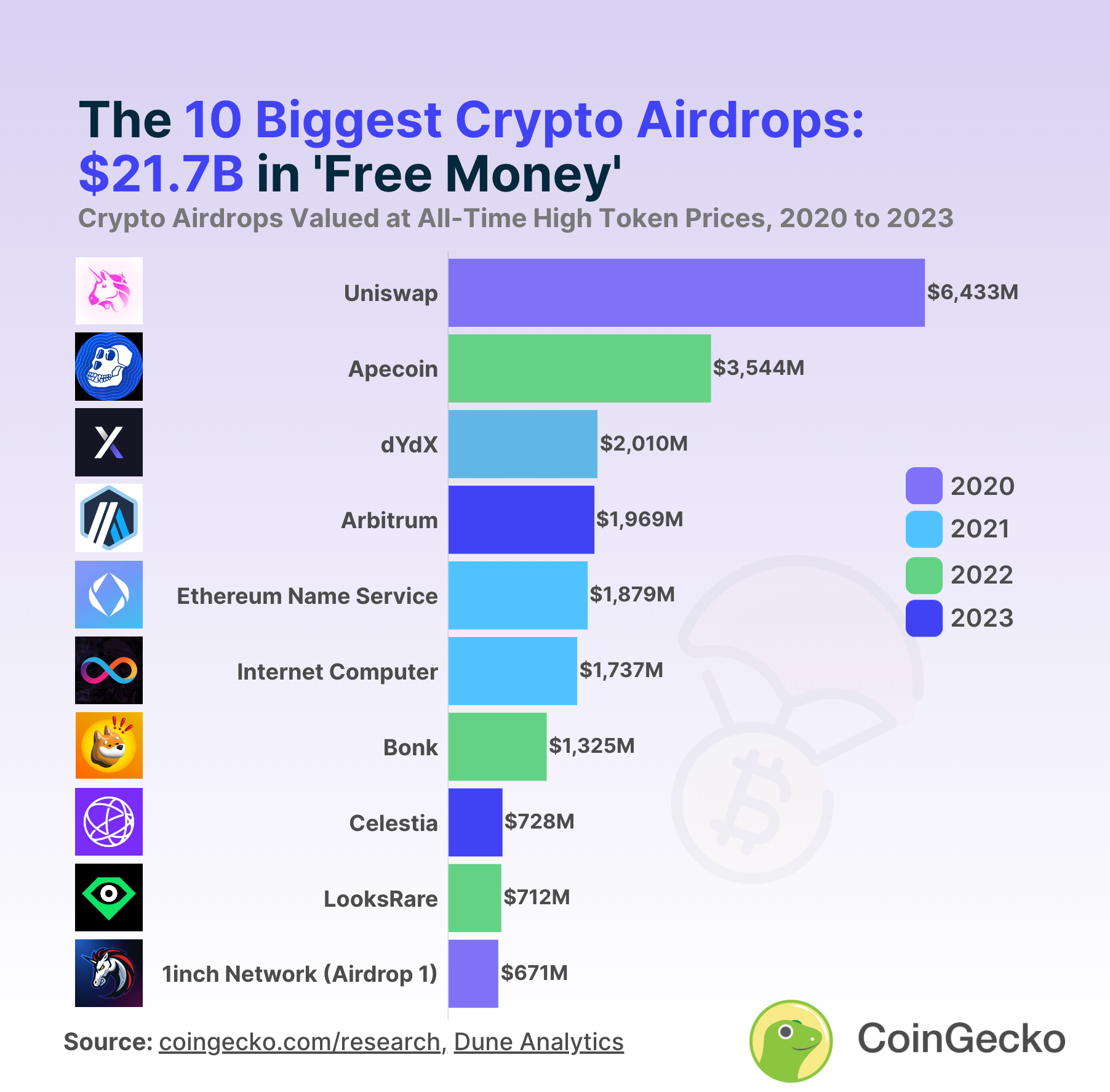
This shift demands a new strategy. You must treat points as a utility-driven asset rather than a lottery ticket. The average hype airdrop of the past, such as Hyperliquid’s distribution of nearly 3,000 tokens per address, is increasingly rare. Protocols are tightening eligibility to filter out bots and reward genuine network participants.
Navigating the Lull
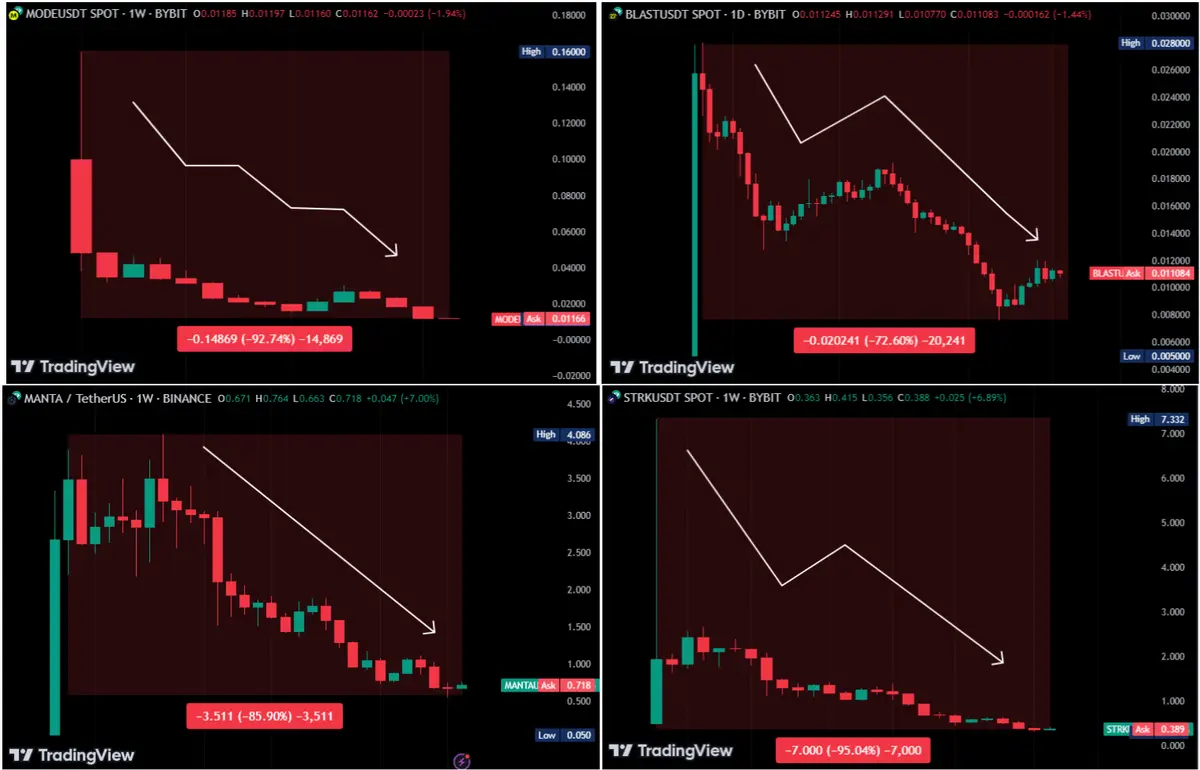
Recent analysis suggests a lull in airdrop performance, with many tokens underperforming post-launch. This does not mean the meta is dead; it means the barrier to entry has raised. Successful participation now requires consistent, verified activity across multiple ecosystems rather than chasing the latest shiny object.
Focus on protocols with clear, transparent point systems. Avoid projects that obscure their distribution mechanics. The goal is to accumulate points through sustainable engagement, ensuring that when the airdrop event occurs, your eligibility is indisputable and your potential return is grounded in actual usage.
Tradeoffs in the points meta
Evaluating airdrop potential requires weighing immediate costs against uncertain future rewards. The shift from retroactive liquidity mining to visible points systems changes the risk profile for participants. You must assess whether the gas, capital lock-up, and time investment justify the probability of receiving a token allocation.
Points vs. Retroactive Airdrops
Points systems offer real-time feedback, allowing farmers to adjust their strategies based on visible progress. This transparency is a significant advantage over retroactive models, where users often discover eligibility only after the snapshot has passed. However, points are not guaranteed tokens. Projects can change their distribution mechanics, devalue the points, or cancel the airdrop entirely. In contrast, retroactive airdrops, while opaque, have historically distributed actual tokens to active users, though the amounts vary wildly.
Capital Efficiency and Gas Costs
Many points programs require active trading or liquidity provision to accumulate points. This means you are paying gas fees and potentially impermanent loss to earn points. If the final token value does not exceed these cumulative costs, the strategy results in a net loss. Compare the expected value of the points against the direct costs of participation. Some programs offer "idle" points for simple actions like holding a specific token, which reduces capital risk but often yields lower point multipliers.
Time Horizon and Opportunity Cost
Points programs often have long durations, sometimes lasting months or years. Your capital and time are tied up during this period, preventing you from deploying resources in other high-yield opportunities. Evaluate the duration of the points program against current market conditions. If the program extends into a bear market, the token value may be depressed at the time of distribution. Shorter, more targeted campaigns often offer better risk-adjusted returns than long-term, low-yield points accumulation.
| Factor | Points Systems | Retroactive |
|---|---|---|
| Visibility | Real-time tracking | Opaque until snapshot |
| Risk | Points may not convert | Token allocation uncertain |
| Cost | Active gas/trading fees | One-time interaction |
| Duration | Months to years | Short (if any) |
Technical Chart Analysis
Monitoring the price action of previously airdropped tokens can provide insights into the potential value of current points systems. Use the chart below to analyze the performance of similar assets and assess market sentiment around airdrop tokens.
Market Context
Understanding the current market price of relevant assets helps in calculating the potential ROI of your points. Use live price widgets to track the value of tokens associated with the points programs you are participating in.
Choose the next step
Points Meta Airdrop Analysis works best as a clear sequence: define the constraint, compare the realistic options, test the tradeoff, and choose the path with the fewest hidden costs. That order keeps the advice usable instead of decorative. After each step, pause long enough to check whether the recommendation still fits the reader's actual situation. If it depends on perfect timing, unusual access, or a best-case budget, include a simpler fallback.

Avoid the weak options
The easiest mistake with Points Meta Airdrop Analysis is comparing options on the most visible detail while ignoring the day-to-day constraint. A choice can look strong on paper and still fail because it is too hard to maintain, too expensive to repeat, or awkward in the actual setting. Use the same checklist for every option: fit, cost, durability, timing, upkeep, and fallback plan. That keeps the comparison practical instead of drifting into preference alone.
The simplest way to use this section is to write down the real constraint first, compare each option against it, and choose the path that still works outside ideal conditions.
No comments yet. Be the first to share your thoughts!