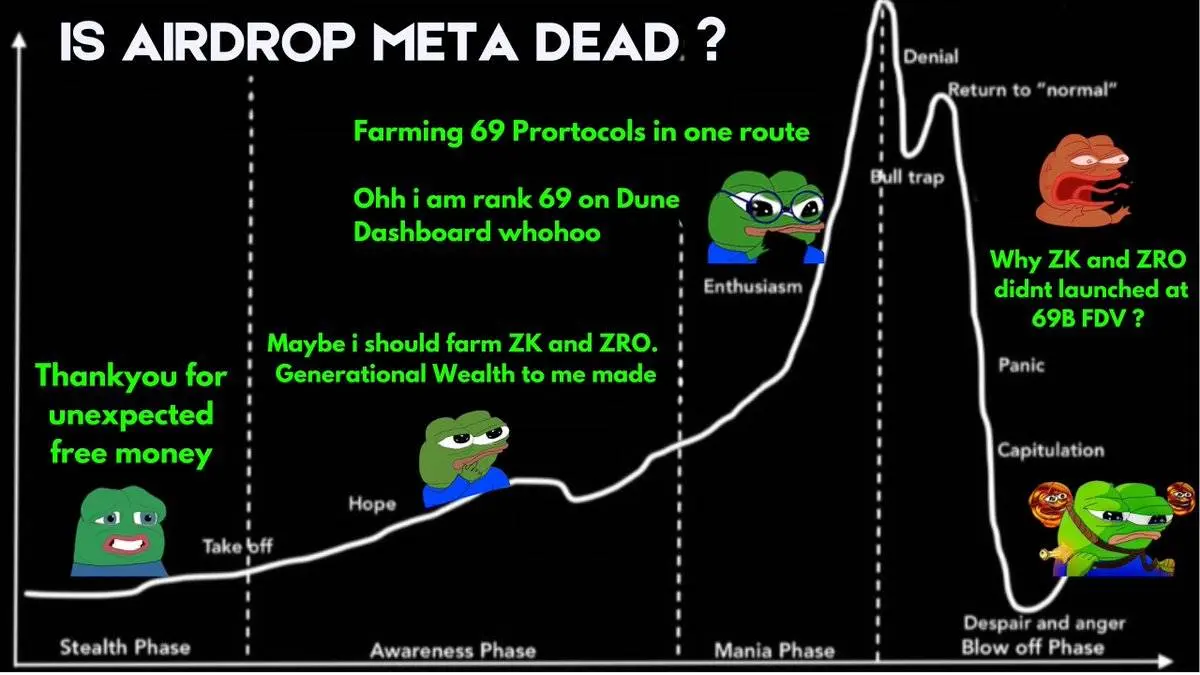
The shift from airdrops to points
The era of traditional retroactive airdrops is cooling down as projects pivot to points systems. This structural change in the points meta airdrop infrastructure locks in liquidity and engagement while protocols are still building. Instead of waiting for a token generation event, platforms now reward daily interactions, transforming passive holding into active usage.
This transition marks a move from speculative farming to genuine ecosystem participation. Success now depends on understanding the specific engagement metrics each protocol values, rather than simply deploying capital and walking away.
Tracking on-chain activity signals
The points meta airdrop infrastructure operates on a simple but unforgiving logic: points are a function of verified on-chain activity, not passive asset holding. Projects assign scores to specific interactions to gauge user loyalty. Simply holding a token in your wallet generates zero value toward airdrop eligibility. To succeed, you must treat your wallet as an active terminal, constantly executing the precise transactions that the protocol’s internal algorithms reward.
Understanding this infrastructure requires shifting your focus from portfolio balance to transactional velocity. Leading projects use points systems to amplify engagement, tracking metrics such as swap volume, liquidity provision frequency, and cross-chain bridge usage. If you are not interacting with the core smart contracts of a points-based program, you are effectively invisible to their distribution engine. Generic advice to "buy and hold" is dangerous in this landscape; it leads to missed opportunities. You must monitor specific on-chain signals that drive point accumulation, including daily active users, transaction counts, and total value locked (TVL).
Comparing top points-based protocols
When selecting a points-based protocol, prioritize fit over price. A good deal fails if it does not align with your primary use case. Verify the condition of the protocol’s security (audits, bug bounties) and compare purchase costs with likely upkeep fees. The cheapest option is rarely the lowest-cost option when hidden risks are factored in.
| Factor | What to check | Why it matters |
|---|---|---|
| Fit | Match the option to the primary use case. | A good deal still fails if it does not fit the job. |
| Condition | Verify age, wear, and service history. | Hidden condition issues erase upfront savings. |
| Cost | Compare purchase price with likely upkeep. | The cheapest option is not always the lowest-cost option. |
Active farming for the points meta
Holding tokens is no longer enough. To build a robust points meta airdrop infrastructure, treat your wallet like an active engine. The goal is to generate consistent on-chain activity that signals utility to the protocol.
1. Execute regular swaps
Swap volume is the easiest way to accumulate points. Use the MetaMask swap aggregator for routine token exchanges. Even small, frequent swaps add up over time, creating a steady stream of activity points without requiring large capital deployment.
2. Trade perpetuals
Perpetual futures trading often yields higher point multipliers than spot swaps. Open and close positions regularly to generate volume. This strategy requires more attention but offers a higher return on time invested for your airdrop eligibility.
3. Bridge assets across chains
Cross-chain bridges are often undervalued farming tools. Moving assets between supported networks triggers bridge rewards. Prioritize bridges with high point multipliers to maximize efficiency. This simple action diversifies your footprint across the ecosystem.
4. Monitor point multipliers
Point values fluctuate based on protocol incentives. Check for temporary multiplier events before executing large trades. Timing your activity to coincide with bonus periods can significantly boost your total accumulation without increasing your trading volume.
Risks and regulatory considerations
Points farming is high-stakes infrastructure. You are betting computational resources and capital on protocols that have not yet issued tokens. This creates a dual threat: smart contract vulnerabilities and regulatory ambiguity.
Smart Contract and Protocol Risk
The code governing points distribution is often unaudited or minimally reviewed. A single exploit can drain the liquidity pool or invalidate the points ledger. Unlike established DeFi protocols, points systems lack the battle-tested security of mature tokenomics. If the underlying contract fails, your "earned" points become worthless. Always verify the audit status of the points contract before committing significant capital.
Regulatory Scrutiny
The SEC and other global regulators are increasingly viewing points as potential securities. If a points system is deemed an investment contract, the project could face severe legal action, potentially freezing assets or halting the airdrop. The line between a marketing incentive and a security is blurry. Recent enforcement actions suggest that projects offering predictable returns based on liquidity provision are in the crosshairs.
The market reaction to regulatory news is immediate. A single tweet from a regulator can drop the value of a points token by 20% in minutes. Monitor official regulatory channels, not just crypto news outlets, for early warnings. The points meta is evolving, but the legal framework is still being written.
Common questions about points farming
Does the points meta airdrop infrastructure actually pay out?
Crypto airdrops can provide genuine compensation, but reliability varies by project. The "points meta" model relies on off-chain or on-chain accounting systems to measure user contribution before any token distribution occurs. Treat these points as a promise of future value, not immediate liquidity. Always verify the official announcement channels of the specific protocol to confirm payout schedules and eligibility criteria.
What are MetaMask points and how do I earn them?
MetaMask Rewards converts standard DeFi activity into measurable value. You earn points primarily by swapping tokens or trading perpetuals through the MetaMask mobile app and browser extension. These points accumulate based on your trading volume and frequency. Opting into MetaMask Rewards is the first step; once active, the system automatically tracks your eligible transactions to calculate your final reward tier.
How do I claim airdrop tokens safely?
Claiming requires connecting your wallet directly to the official claim portal. Select the specific accounts you wish to include, then locate the "Claim airdrop" button associated with the active campaign. Inspect the network, registration dates, and any vesting conditions before confirming the transaction. Never click claim links from unofficial sources or social media DMs to avoid phishing attacks.
Which crypto airdrop is coming soon?
The landscape shifts rapidly, but protocols with high points accumulation often announce claims shortly after mainnet stability is achieved. Monitor the latest updates from major layer-2 solutions and DeFi aggregators. For live market context on the tokens involved, check their current performance below.
No comments yet. Be the first to share your thoughts!