Points meta airdrop analysis
The points meta airdrop analysis reveals a market that has shifted from speculative hype to rigorous infrastructure evaluation. While early airdrops often rewarded simple engagement, 2026 demands a strategy built on verifying long-term utility and network stability. Most projects now use points as a scoring model for task completion, but these points only hold value if the project launches a token and distributes it fairly. Understanding this shift is critical for optimizing your strategy for infrastructure rewards.
How to evaluate points systems
Start by examining the project’s tokenomics and vesting schedules. Look for clear milestones that tie point accumulation to actual network usage rather than just testnet interactions. Projects that reward consistent, high-value transactions are more likely to distribute tokens that retain value post-airdrop. Avoid platforms that offer inflated points for low-effort tasks, as these often lead to massive sell-offs upon launch.
Common mistakes to avoid
Many participants fail because they spread their efforts too thin across dozens of low-quality projects. Instead, focus on a few high-potential ecosystems with strong developer activity. Another common error is ignoring the lockup periods. Some projects, like those in the airdrop arena, require you to hold rewards for a set time, which can impact your immediate liquidity. Always read the fine print on distribution timelines and lockup conditions.
Proof checks for infrastructure
Verify the project’s technical foundation before investing time. Check if the core team has a track record of successful launches and transparent communication. Look for audits from reputable firms and active community governance. If a project lacks these fundamentals, the points system is likely a distraction. Use tools like the Potential Airdrops Dashboard to track metrics such as daily active users and transaction volume, which are better indicators of long-term success than raw point counts.
Market context
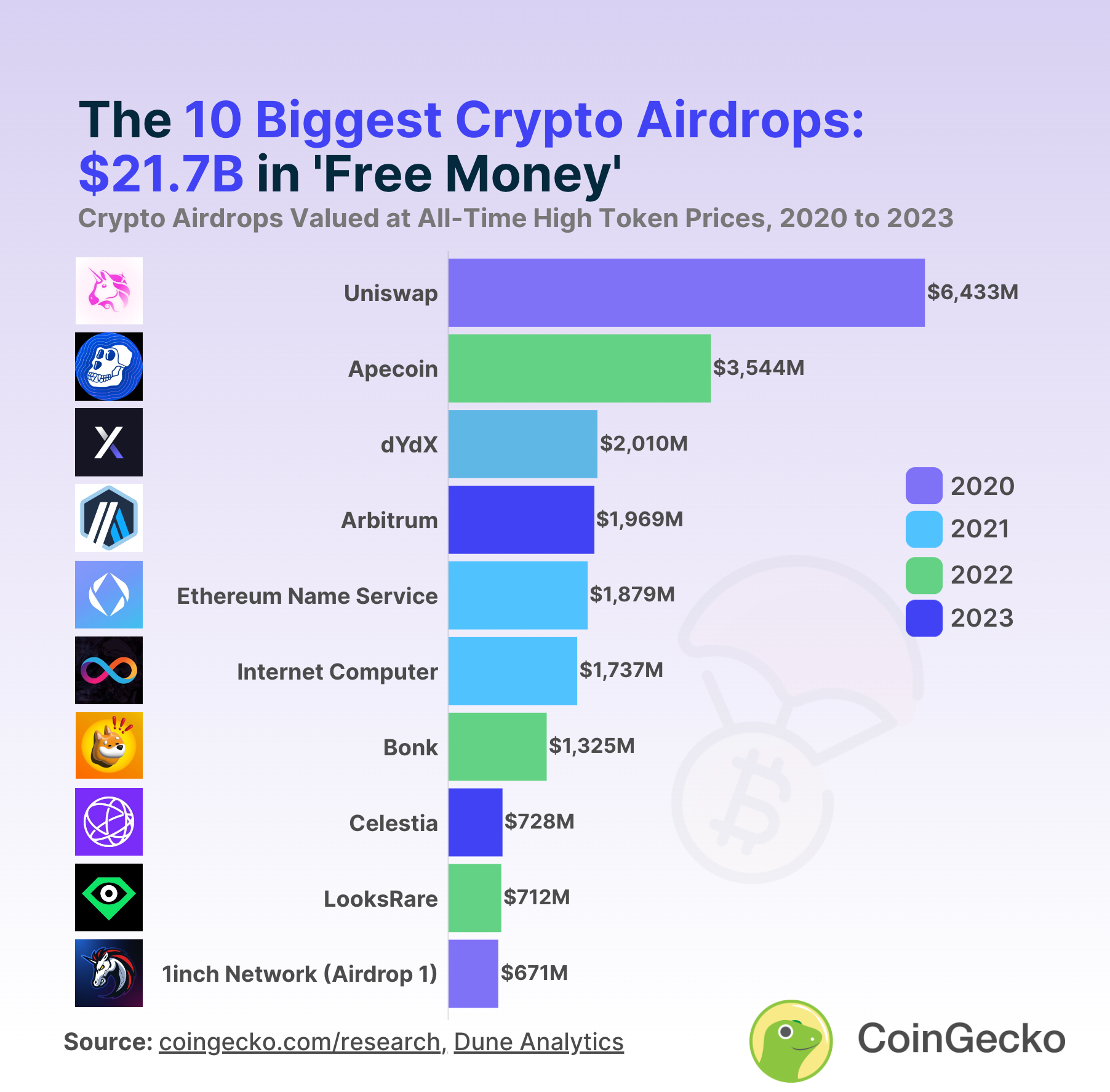
The broader crypto market influences airdrop value significantly. During bear markets, projects may delay token launches, while bull markets can lead to rushed distributions. Monitor the performance of recent airdrops to gauge investor sentiment. For example, many 2023 airdrops underperformed due to excessive supply, a lesson that current projects are trying to learn from. Stay informed about new airdrops expected in 2026, but prioritize quality over quantity.
Points meta airdrop analysis choices that change the plan
Use this section to make the Points Meta Airdrop Analysis decision easier to compare in real life, not just on paper. Start with the reader's actual constraint, then separate must-have requirements from details that are merely nice to have. A practical choice should survive normal use, maintenance, timing, and budget. If a recommendation only works in an ideal situation, call that out plainly and give the reader a fallback path.
| Factor | What to check | Why it matters |
|---|---|---|
| Fit | Match the option to the primary use case. | A good deal still fails if it does not fit the job. |
| Condition | Verify age, wear, and service history. | Hidden condition issues erase upfront savings. |
| Cost | Compare purchase price with likely upkeep. | The cheapest option is not always the lowest-cost option. |
Choose the next step
Points Meta Airdrop Analysis works best as a clear sequence: define the constraint, compare the realistic options, test the tradeoff, and choose the path with the fewest hidden costs. That order keeps the advice usable instead of decorative. After each step, pause long enough to check whether the recommendation still fits the reader's actual situation. If it depends on perfect timing, unusual access, or a best-case budget, include a simpler fallback.

Spotting Weak Options and Misleading Claims
Many projects use points systems that look like free money but lack real utility. Airdrop Meta analysis shows that most token launches underperform after the initial hype fades. You need to separate legitimate infrastructure rewards from vanity metrics that drain your wallet.
The Points Trap
Points are a scoring model for completing tasks, not guaranteed value. These points may convert into tokens only if the project decides to launch a token. If the project never launches, your time and gas fees are lost. Treat points as speculative, not as income.
Hidden Costs and Lockups
Some platforms promise rewards but hide lockup periods. Airdrop Arena rewards go to your Token Wallet within seven business days, but Loot Locker Point Boosters delay distribution until the lockup ends. Always check the vesting schedule. If you cannot sell immediately, the reward is less valuable.
Gas Fees vs. Reward
Selling tokens is one way to make money, but gas fees eat profits. If the token value is low, selling might cost more than the reward. Check the current price using a provider-backed widget before interacting. Don’t chase small airdrops with high gas fees.
Proof of Legitimacy
Look for official sources. Gate.com and CryptoRank track performance data. If a project lacks transparent documentation or has no official social channels, skip it. Most airdrops underperform because they lack real users or revenue.
Check the current market price to gauge if the potential reward is worth the effort. If the token is volatile or illiquid, the risk is higher. Stick to projects with clear roadmaps and active development.
Points meta airdrop analysis: what to check next
Addressing common doubts about the points meta helps separate speculative noise from actionable strategy. The landscape has shifted from simple claim-and-sell models to complex eligibility requirements that demand sustained engagement.
No comments yet. Be the first to share your thoughts!