Understanding the Points Meta ecosystem
When you see references to a "Points Meta" airdrop, the conversation is almost always about MetaMask Rewards and its Season 1 launch. This isn't a vague promise of future utility; it is a structured loyalty program designed to reward active usage of the MetaMask Mobile app. The core mechanic is simple: you earn points by completing specific actions, and those points serve as the primary metric for eligibility in the upcoming token distribution.
Think of this system like a frequent flyer program for crypto. You don't get miles just for having an account; you earn them by flying—by swapping tokens, bridging assets, or holding specific positions. In the context of MetaMask, your "flights" are on-chain interactions executed through the wallet. The more you engage with the ecosystem, the higher your tier climbs, and the more likely you are to receive a share of the airdrop.
Tracking these points matters because they are the only transparent signal of your standing. While the exact tokenomics of the airdrop are still being finalized, the points system provides a clear, real-time dashboard of your contribution to the network. It shifts the dynamic from passive holding to active participation, rewarding users who actually use the wallet for trading and asset management rather than just storing it.
The goal for 2026 is to understand that "Points Meta" isn't a separate token you can buy on an exchange today. It is a score. Your job is to maximize that score through legitimate usage. This means focusing on the actions that award the most points, such as completing trading challenges or maintaining stablecoin balances, rather than chasing speculative shortcuts that offer no real value.
How to earn points efficiently
Earning points in the MetaMask Rewards program requires consistent, daily interaction with the mobile app. The system rewards active usage rather than passive holding, meaning you need to move funds and execute transactions regularly to climb the leaderboard. Focus on the core mechanics: swaps, trading challenges, and referrals. These are the primary levers for increasing your point total.
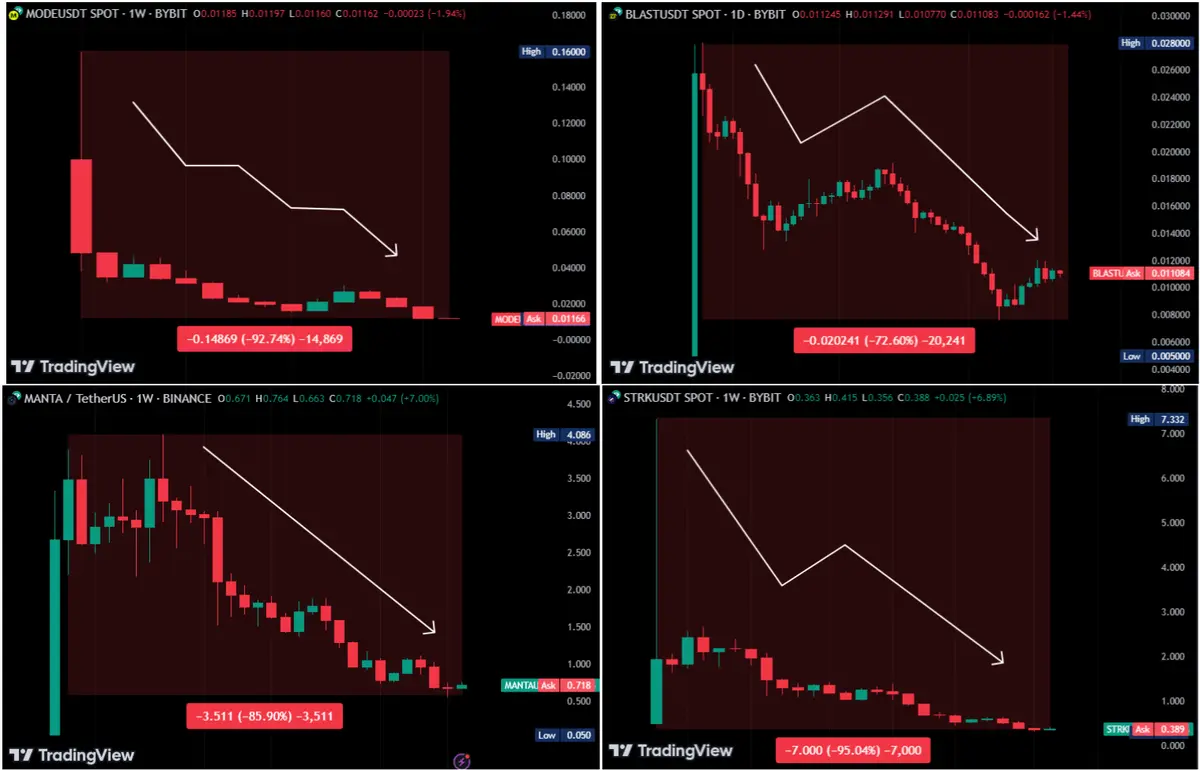
Download the MetaMask mobile app and import or create a new wallet. Ensure you have backed up your seed phrase securely. The rewards system is currently optimized for mobile users, so desktop usage alone will not generate points. Verify your identity if prompted, as this may be required for certain high-tier tasks.
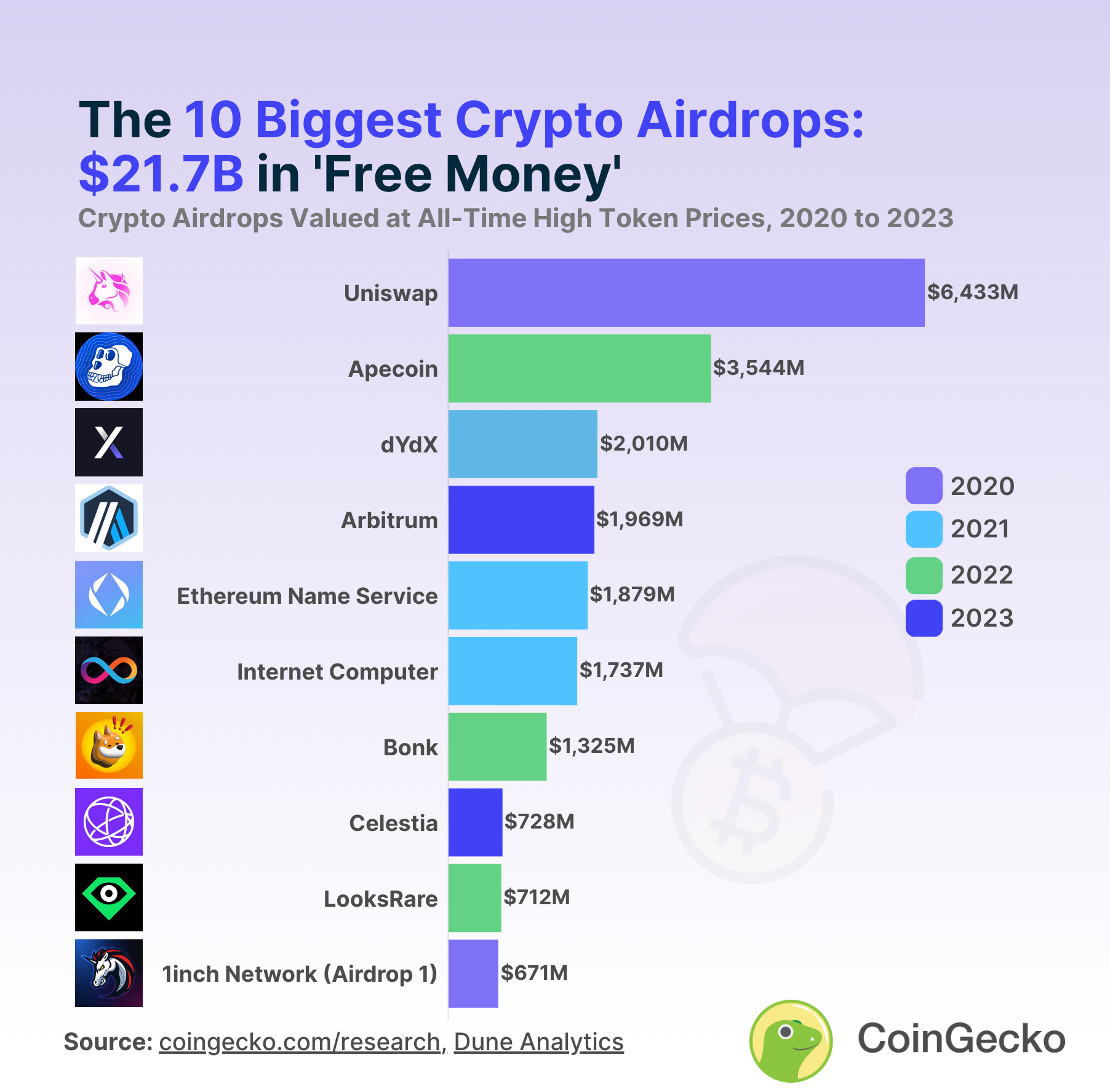
Use the built-in swap feature to exchange tokens. Even small swaps of ETH or stablecoins count toward your daily activity. Consistency matters more than volume here; performing at least one swap per day keeps your account active in the system. Avoid large, infrequent transactions as they do not provide the same cumulative benefit as regular engagement.
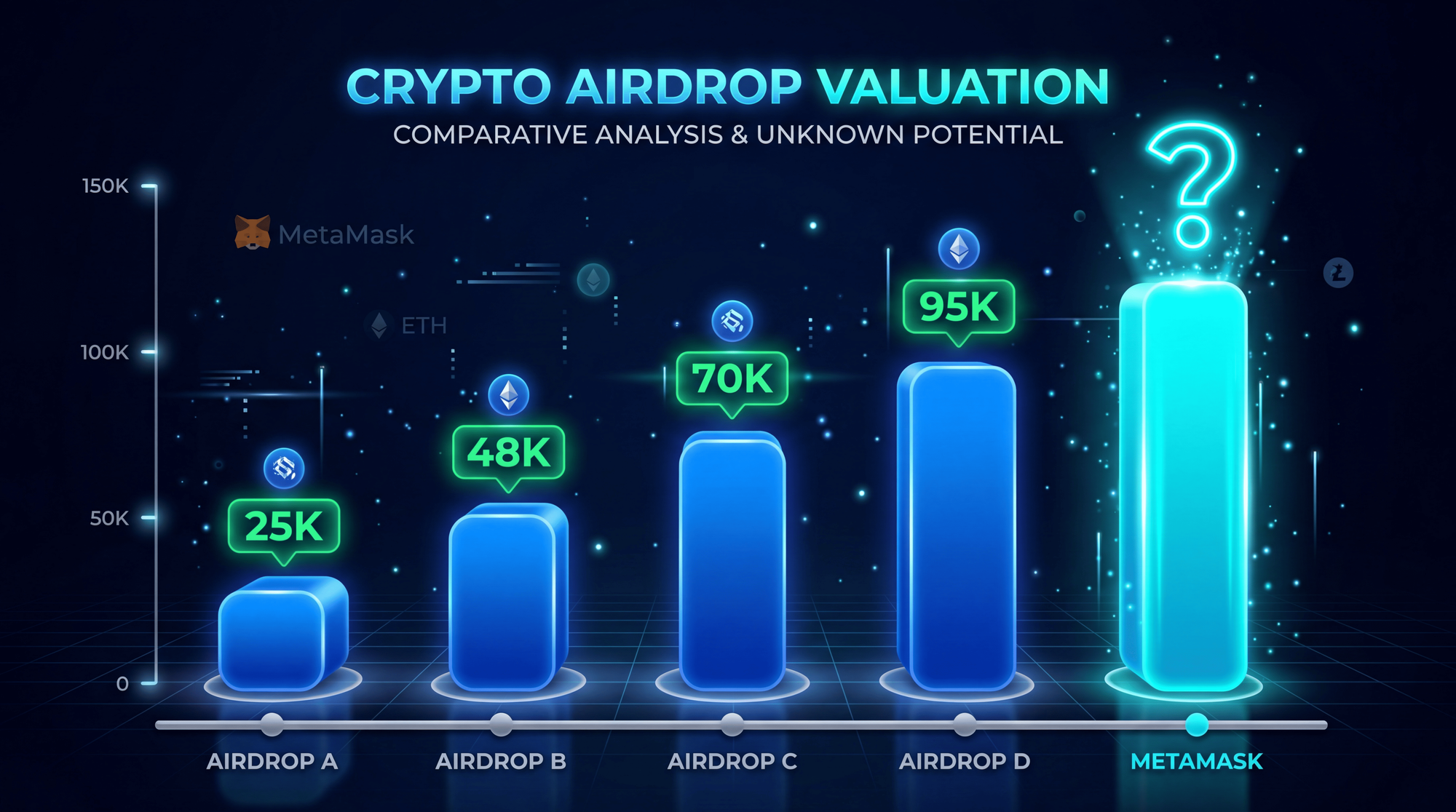
Check the Rewards dashboard for active trading challenges. These often involve swapping specific pairs or providing liquidity on supported networks like Linea. Completing these challenges yields significant point bonuses compared to standard swaps. Read the task details carefully to understand the duration and specific token requirements.

Share your referral link with friends who use MetaMask. You earn points when your referrals complete specific onboarding tasks, such as their first swap or bridging funds. This is one of the fastest ways to accumulate points without additional trading activity. Ensure your referrals are active users, as inactive accounts may not trigger the referral bonus.
Regularly check the Rewards dashboard to monitor your point total and rank. The leaderboard updates periodically, so staying informed helps you adjust your strategy if you fall behind. Keep an eye on new task announcements, as MetaMask frequently adds new opportunities to boost engagement.
Boosters and multipliers explained
Earning points through basic swaps is a slow burn. To accelerate your progress toward the next eligibility tier, you need to leverage specific high-yield activities. The MetaMask Points program rewards depth of interaction, not just volume. By shifting your focus to perpetual trading, real-world asset (RWA) interactions, and strategic referrals, you can multiply your daily point accumulation.
Think of your wallet as a portfolio of activities. A diversified approach yields higher returns than relying on a single method. While spot swaps provide a steady baseline, derivatives and RWA protocols offer the multipliers necessary to hit Level 2 (1,000 points) and Level 3 (25,000 points) faster. Official guidelines confirm that activity diversity is a core mechanic of the Season 1 distribution.
The table below breaks down the relative efficiency of each activity type. Note that exact point values fluctuate based on network congestion and promotional periods, but the hierarchy of yield remains consistent.
| Activity Type | Base Yield | Multiplier Potential | Complexity |
|---|---|---|---|
| Spot Swaps | Low | 1x | Low |
| Perpetual Trading | Medium | 2-5x | High |
| RWA Interactions | Medium | 3-4x | Medium |
| Referrals | High | 10x+ | Low |
Perpetual trading
Perpetual futures trading is currently one of the most efficient ways to farm points. Because these trades involve higher notional values and frequent execution, they trigger point events more often than simple token swaps. Engaging with decentralized perpetual DEXs within the MetaMask browser extension allows you to trade directly from your wallet, ensuring every position counts toward your airdrop eligibility.
Be cautious with leverage. While high leverage increases point velocity, it also increases the risk of liquidation. The goal is sustainable point accumulation, not rapid account depletion. Start with low leverage to understand the point mechanics before scaling up your position sizes.
RWA interactions
Real-World Asset (RWA) protocols are a hidden gem for point farming. These platforms often offer bonus multipliers to attract liquidity and users to the MetaMask ecosystem. Interacting with RWA tokens—such as tokenized treasury bills or real estate assets—can yield significantly higher points per dollar deployed compared to standard ERC-20 tokens.
This strategy requires a bit more research. Look for RWAs that are natively integrated or promoted within the MetaMask portfolio view. These official integrations are more likely to carry the highest point multipliers during Season 1.
Referrals
Referrals are the most powerful multiplier available. A successful referral doesn't just give you points; it creates a network effect that compounds over time. When you invite friends using your unique code, you earn a percentage of their point earnings. This is the only activity that offers exponential rather than linear growth.
Focus on quality over quantity. Invite users who will actually engage with the platform. Inactive referrals do not contribute to your multiplier. Share your code in relevant crypto communities, but ensure you are adding value to those conversations rather than just spamming links.
Risk management and cost analysis
Airdrop farming is not free money; it is an activity with real financial friction. Before committing significant time or capital, you need to calculate the actual cost of participation. This involves looking beyond the potential reward to the immediate expenses and the value of your time.
Gas fees and transaction costs
Every on-chain interaction—swapping tokens, bridging assets, or claiming points—requires gas. On networks like Ethereum, these fees can be substantial, often exceeding the value of small rewards. On Layer 2 solutions, costs are lower but still accumulate. If you are farming across multiple wallets or executing dozens of transactions per week, gas fees can quickly erode your potential profit margin.
Always check current gas prices before initiating a batch of transactions. Use block explorers or gas tracker tools to find the optimal time to transact. If the gas cost of a specific action is higher than the estimated value of the points earned, it is usually better to skip that action. Focus your efforts on high-impact activities that require fewer transactions but yield more points.
Opportunity cost of capital
Many airdrop programs require you to hold specific tokens or provide liquidity to earn points. This capital is locked up or tied up in positions that may not generate yield elsewhere. You must weigh the potential airdrop reward against what that capital could earn in a stablecoin yield farm or a lending protocol.
If your capital is generating a 5% annual percentage yield (APY) in a safe lending protocol, your opportunity cost is that 5% plus the risk of smart contract exposure. Only commit capital to airdrop farming if the expected reward significantly outweighs this baseline yield and the associated risks. Never invest money you cannot afford to lose.
Risk of devaluation and program changes
Points are not tokens. They have no intrinsic value until the project officially distributes tokens. The rules for earning points can change at any time. Projects may adjust the point multiplier, change the qualifying activities, or even cancel the airdrop entirely. This is a common occurrence in the crypto space.
Treat points as a speculative bonus, not a guaranteed income stream. Diversify your farming efforts across multiple reputable projects to mitigate the risk of one program failing or devaluing. Rely on official announcements from the project team for any changes to the points system. Do not trust third-party predictions about token prices or distribution amounts.
Tracking your net cost
To manage risk effectively, keep a simple log of your farming activities. Record the gas fees paid, the capital deployed, and the points earned for each project. This data will help you identify which farming strategies are actually profitable and which are just burning through your resources. Use a spreadsheet or a dedicated crypto accounting tool to track these metrics over time.
By focusing on cost efficiency and risk mitigation, you can participate in airdrop farming more sustainably. The goal is to maximize your net return, not just your total points. Always prioritize security and cost-effectiveness over chasing every possible point.
Helpful gear
Use these product recommendations as a starting point, then choose the size, material, and price point that fit how you actually use the gear.
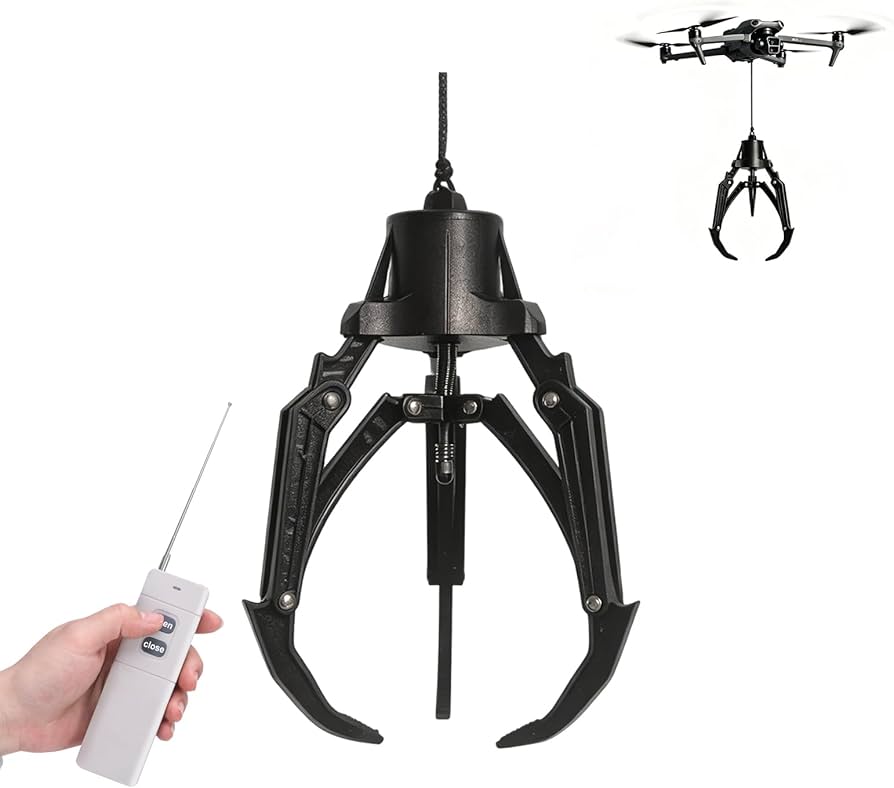
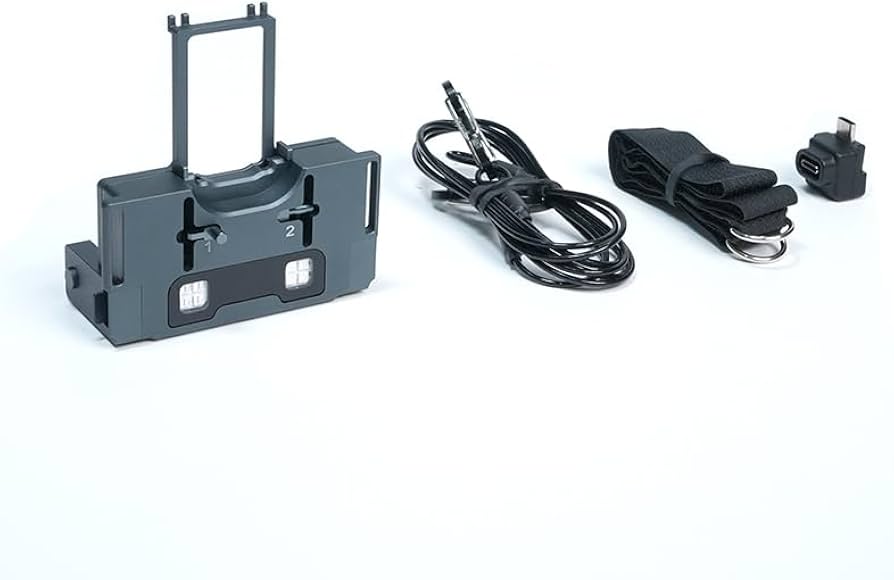

As an Amazon Associate, we may earn from qualifying purchases.
No comments yet. Be the first to share your thoughts!