Defining the points meta in 2026
The airdrop landscape has shifted. In 2026, the "points meta" has replaced direct token claims as the primary mechanism for airdrop eligibility. Instead of waiting for a snapshot to distribute tokens, protocols now issue points during active usage phases. These points act as a measurable, real-time indicator of user contribution, serving as the currency for future token allocations.
This transition marks a move from passive speculation to active participation. For participants, points provide a clear strategy for maximizing airdrop potential, offering immediate feedback on which actions generate the most value. As noted by Bankless, this system allows farmers to track their progress dynamically rather than guessing at eligibility criteria.
The infrastructure supporting this meta is complex. Protocols like MetaMask have integrated points into their core reward systems, linking trade volume and daily activity to tangible perks such as fee discounts and token allocations. This integration means that tools used for routine transactions are now central to airdrop farming strategies. Understanding how these points accrue and convert is essential for navigating the 2026 ecosystem effectively.
Points Meta Airdrop analysis: Comparing farming strategies
Choosing a Points Meta Airdrop analysis strategy means balancing your available capital against your tolerance for risk. Points farming is not a single activity; it is a spectrum of behaviors ranging from passive holding to high-frequency trading. Understanding these distinctions helps you select a path that aligns with your portfolio size and time commitment.
Volume-Based Farming
This approach relies on generating high transaction volume to accumulate points quickly. Protocols often weight their reward systems toward active users, meaning frequent swaps, transfers, or liquidity provision yield more points than inactivity. This strategy is ideal for traders who are already active in the market and can leverage their existing activity to farm rewards without significant additional capital deployment.
However, volume farming comes with higher gas costs and potential slippage. You must calculate whether the expected airdrop value outweighs the transaction fees and market impact. This is often the most aggressive route, requiring constant monitoring of protocol updates and point multipliers.
Retention-Based Farming
Retention strategies focus on consistency rather than intensity. By holding assets in a wallet or maintaining a steady position in a liquidity pool over weeks or months, farmers accumulate points through time-weighted metrics. This method is less stressful and requires less technical expertise, making it accessible to a broader audience.
The trade-off is a slower accumulation rate. You are betting on long-term protocol viability rather than short-term volatility. This strategy works well for investors who believe in the fundamental value of the underlying assets and want to participate in the airdrop without disrupting their core investment thesis.
Capital-Efficient Farming
For those with limited funds, capital-efficient farming involves using leverage or decentralized lending protocols to multiply exposure. By borrowing against existing assets or providing liquidity in concentrated ranges, you can earn points on a larger notional value than your actual capital. This maximizes the return on investment per dollar deployed.
This approach introduces liquidation risk. If the market moves against your position, you could lose your collateral faster than in a spot farming strategy. It requires a solid understanding of interest rates, liquidation thresholds, and market volatility.
Risk Comparison
The following table compares the primary strategies based on risk profile, capital requirements, and potential yield. Use this to identify which Points Meta Airdrop analysis approach fits your current situation.
| Strategy | Risk Level | Capital Needed | Potential Yield |
|---|---|---|---|
| Volume-Based | High | Low to Medium | High |
| Retention-Based | Low | Medium to High | Medium |
| Capital-Efficient | Very High | Low | Very High |
Tools and Hardware for Points Meta Airdrop Analysis
Executing any of these strategies requires the right infrastructure. Whether you are managing multiple wallets or tracking gas prices, having reliable tools and secure hardware is essential for protecting your assets and maximizing efficiency.



As an Amazon Associate, we may earn from qualifying purchases.
Essential infrastructure and tools
A successful Points Meta Airdrop Analysis depends on the right stack. You cannot farm points effectively with just a wallet; you need aggregators to track yield and trackers to monitor progress. This section breaks down the specific tools required to execute your strategy in 2026.
Wallets and Aggregators
Your wallet is the foundation, but MetaMask has evolved into more than just a storage tool. Their official Rewards program lets you earn points for trading, swapping, and referring users. These points climb reward levels that unlock fee discounts and token allocations. Using MetaMask directly simplifies the process, as it integrates seamlessly with many dApps.
For broader exposure, aggregators like DappRadar are essential. They rank live crypto presales and staking rewards by chain and launch date. Instead of hunting for dying retro airdrops, these platforms help you find projects with day-one incentives. This saves time and ensures your gas spend is directed toward active, high-potential campaigns.
Tracking and Cost Management
Points farming is a numbers game. You need to track your leaderboard rank and understand the cost of participation. Live price widgets for major tokens like ETH and USDC help contextualize gas costs against potential yield. If gas fees exceed the value of the points earned, the strategy fails.
Consider using a comparison table to weigh different wallets and aggregators. Look for tools that offer real-time updates on point multipliers and campaign deadlines. This infrastructure ensures you are always one step ahead, turning raw data into actionable airdrop strategies.
Market performance and yield data
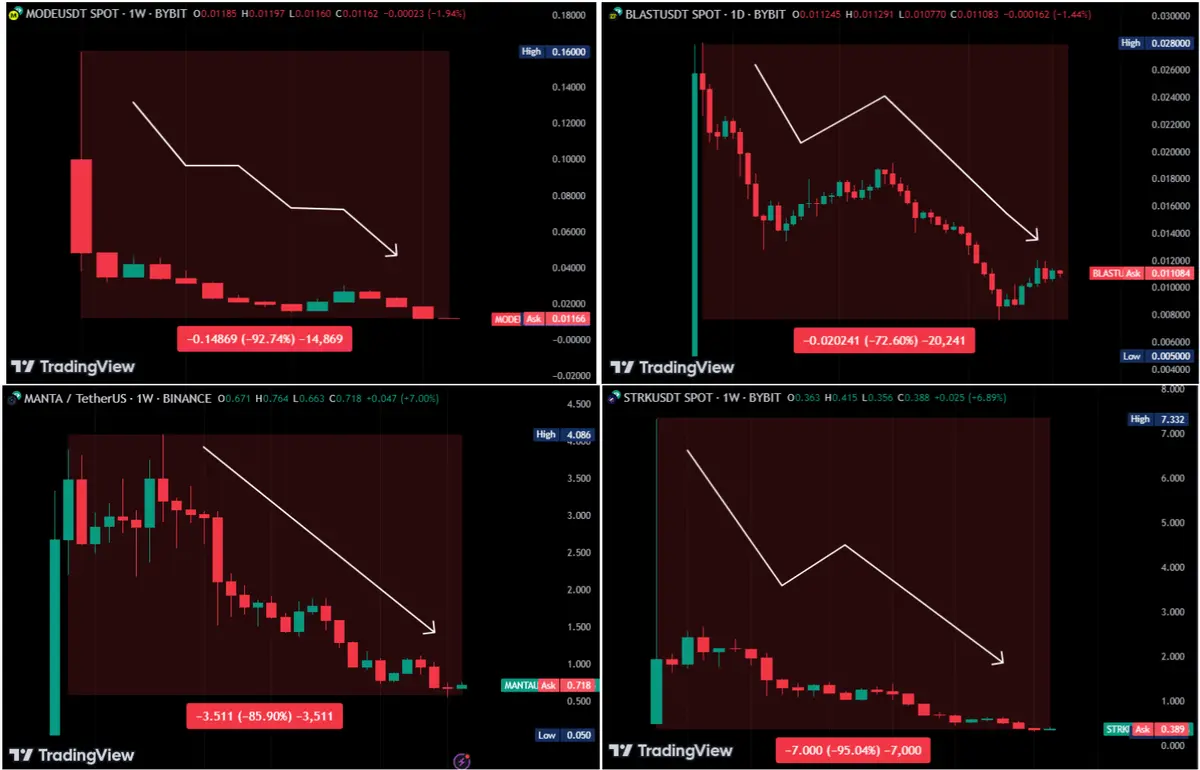
The gap between promise and payout is where most airdrop investors lose money. While the hype around points-based systems like MetaMask Rewards remains high, the actual market performance of these tokens tells a different story. Most airdrops have underperformed traditional launch mechanisms, with token prices often drifting lower after the initial listing spike.
This trend is visible across the broader market. Points-based airdrops, which rely on future utility or governance rights, frequently struggle to maintain value once the speculative rush fades. Investors are increasingly demanding immediate yield or tangible utility rather than speculative promises. The data suggests that without a clear revenue model or strong ecosystem support, these tokens struggle to find a sustainable floor.
To understand the current environment, it helps to look at the broader market context. The performance of underlying assets like Ethereum often dictates the ceiling for points-based tokens. When the base layer is volatile, the speculative premium on points tends to evaporate quickly.
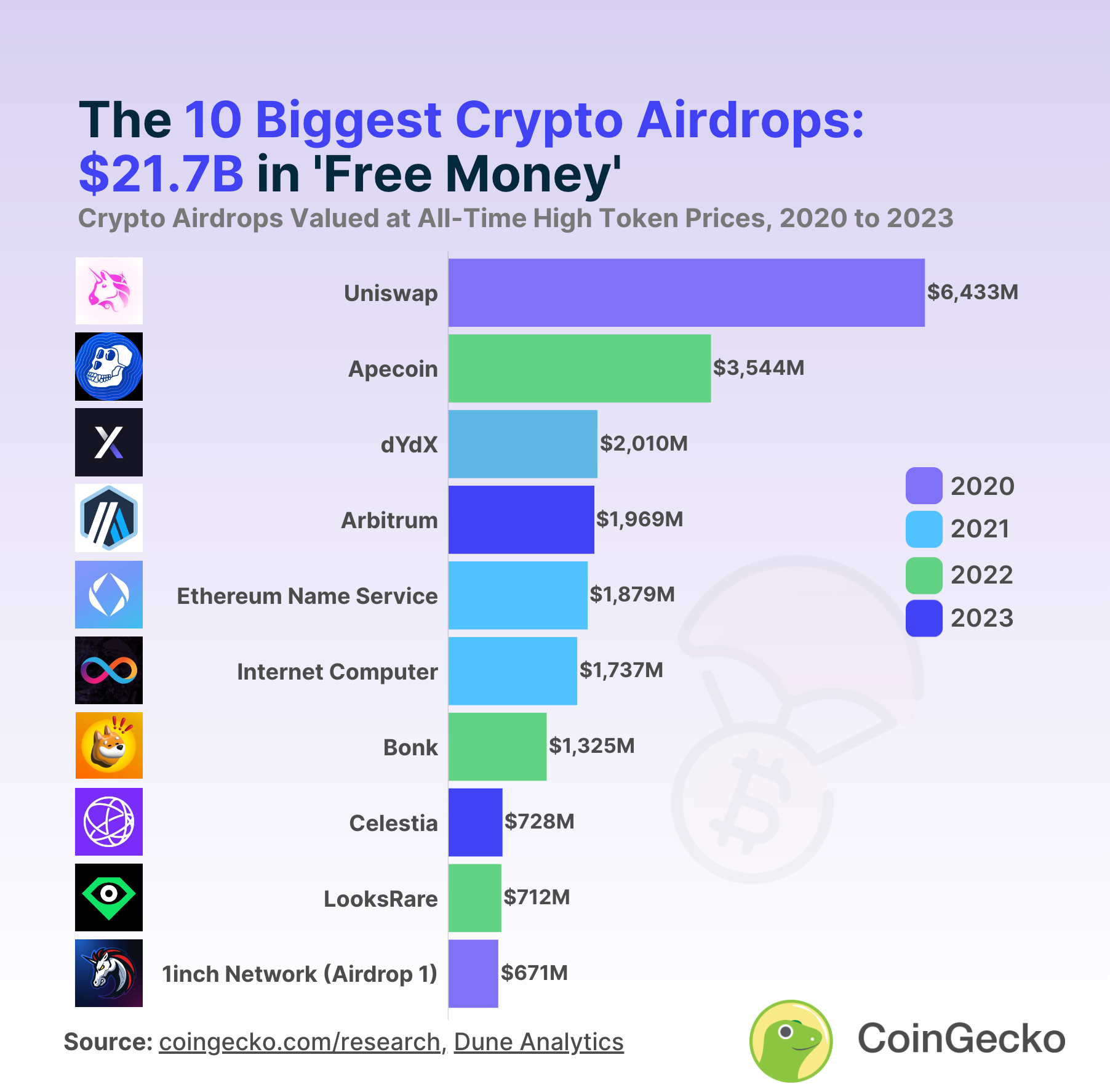
Points meta airdrop analysis: key: what to check next
Understanding the mechanics behind points farming is essential for any strategy. These metrics often dictate eligibility and final allocation, making clarity critical for participants.
These insights help separate hype from tangible utility, ensuring your efforts align with measurable outcomes in the Points Meta Airdrop analysis.
No comments yet. Be the first to share your thoughts!