What the points program actually rewards
It is important to clarify what these points represent before you start farming. MetaMask points are not a cryptocurrency, and they cannot be traded on any exchange. They are a temporary, non-transferable metric used to measure your activity within the MetaMask mobile app. Think of them as a loyalty score rather than a digital asset you own.
The program rewards specific on-chain behaviors, primarily focusing on volume and engagement. You earn points for swapping tokens, using the MetaMask swap aggregator, spending via the MetaMask wallet, and referring new users. The system tracks your trade volume and activity history to calculate your standing. As you accumulate points, you climb through defined reward levels, unlocking perks like fee discounts, token allocations, and partner offers.
These points serve as the primary eligibility mechanism for the upcoming native $MASK token. While Season 1 of the rewards program distributed over $30 million in $LINEA tokens to active users, the current points system is designed to determine eligibility for future distributions. MetaMask has confirmed the launch of the $MASK token, and your current point accumulation and level status will likely play a central role in defining who receives an allocation.
To understand the potential market impact, it is useful to look at the broader ecosystem. The $LINEA token distribution in Season 1 set a precedent for how MetaMask handles large-scale rewards. The current points program is building toward a similar, but potentially larger, distribution event tied to the $MASK token. Monitoring official MetaMask channels remains the most reliable way to track how these point metrics translate into final token allocations.
How to farm points efficiently
Earning points for the MetaMask airdrop isn't about luck; it's about consistent, low-friction activity. The system rewards volume and engagement, meaning your goal is to maximize transaction count and swap volume without draining your wallet in gas fees. Think of it like building credit: small, regular payments matter more than one massive, infrequent transaction.
The most effective strategy focuses on three core actions: swapping tokens, referring new users, and using partner integrations. Below is a concrete workflow to help you accumulate points efficiently.
Swapping is the primary way to earn points. Use the MetaMask app to swap tokens on networks with low gas fees, such as Arbitrum or Base. Even small swaps (e.g., $10-$50) accumulate points based on volume. Avoid swapping on Ethereum Mainnet unless necessary, as high gas fees will eat into your potential rewards. The goal is frequency, not size.

MetaMask rewards users for bringing in new activity. Share your referral link with friends or family who are new to crypto. When they complete their first swap or interact with the wallet, you earn bonus points. This is one of the highest-yield actions because it requires no additional gas from you. Check the official MetaMask Rewards dashboard to track your referral progress.
MetaMask integrates with various DeFi protocols and NFT marketplaces. Using these partners directly through the MetaMask interface often yields bonus points. Look for "Featured" or "Partner" tags within the app. These integrations allow you to swap, stake, or buy NFTs while earning points simultaneously. This approach combines utility with reward farming, making your regular crypto activity count toward the airdrop.
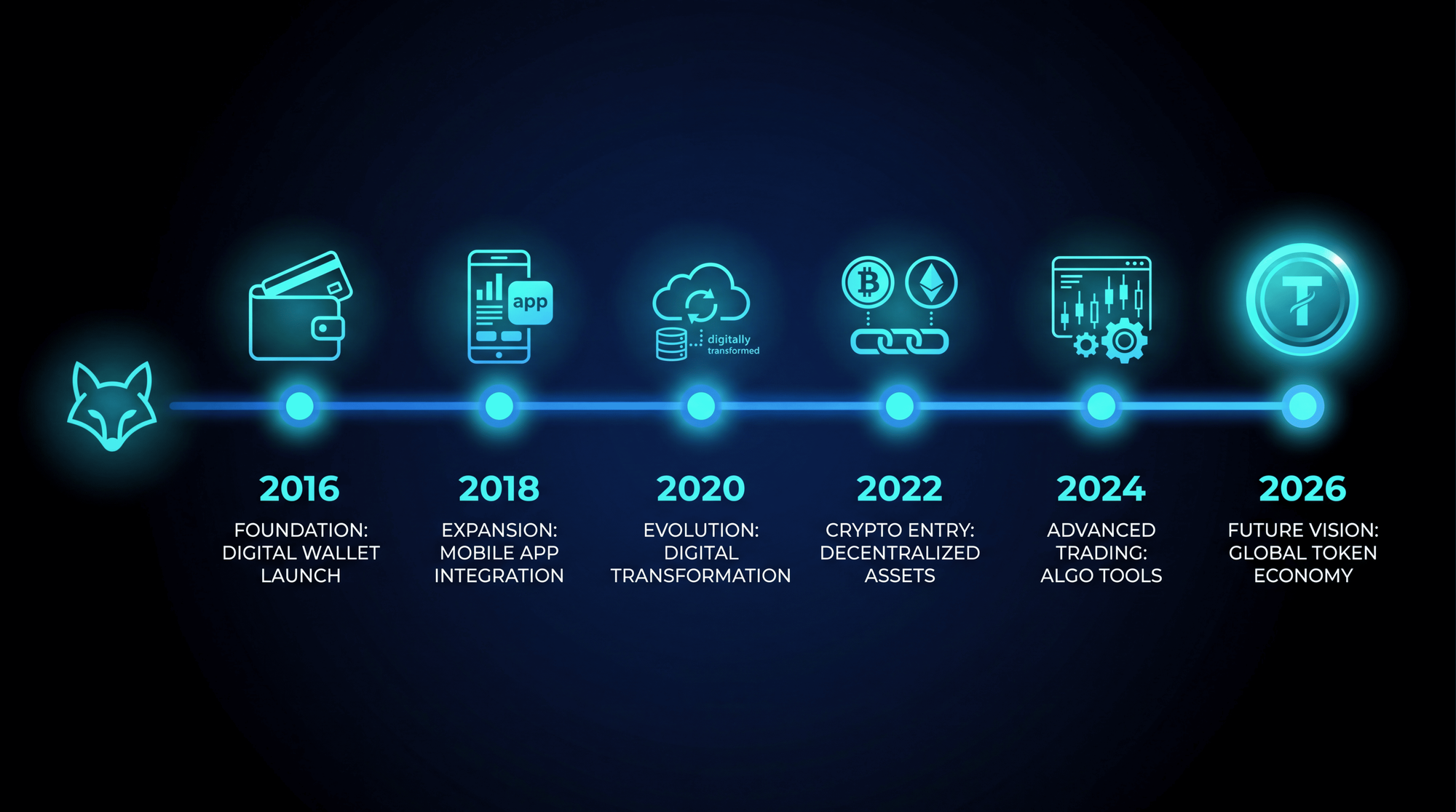
Consistency is key. The MetaMask Rewards program tracks activity over time. Aim to perform at least one swap or referral action per week. This keeps your account active and signals genuine usage to the algorithm. Avoid long periods of inactivity, as this may result in lower tier progression. Set a reminder to check your points balance and complete any pending tasks.
To keep track of the broader market context while you farm, monitor the performance of the tokens you are swapping. This helps you avoid swapping during high-volatility events that might trigger unfavorable slippage.
By following these steps, you can build a steady stream of points without excessive cost. The key is to make point-farming a natural part of your regular crypto routine, not a separate, stressful task.
Tracking token value and market data
Connecting the abstract point system to tangible market metrics helps clarify the potential value of the $MASK token. While MetaMask Rewards Season 1 distributed over $30 million in $LINEA tokens to establish the ecosystem's baseline, the upcoming $MASK airdrop remains the primary focus for participants. Tracking live data provides a clearer picture of market sentiment and the token's potential utility beyond the initial distribution.
The value of points is not fixed; it is tied to the broader performance of the MetaMask wallet ecosystem and its associated Layer 2 solutions. Early participants in the rewards program can monitor the performance of proxy assets like $LINEA to gauge the health of the underlying infrastructure. This data helps inform expectations about the token's liquidity and trading volume once it launches on major exchanges.
To stay informed, use live provider-backed widgets for real-time price action and technical analysis. Static market data quickly becomes outdated, so relying on live charts ensures you are viewing current liquidity and volatility metrics. This approach keeps your strategy grounded in actual market behavior rather than speculative forecasts.
Compare farming strategies and costs
To maximize your potential MetaMask airdrop allocation, you need to weigh the effort and cost of each action against the points earned. Not all activities offer the same return on investment. Some methods require significant capital or gas fees, while others are low-cost but yield fewer points.
The table below breaks down the primary ways to earn points, comparing the typical gas cost, the effort required, and the estimated point yield. Use this to decide which strategies fit your budget and time.
| Method | Est. Cost | Effort | Points Yield |
|---|---|---|---|
| Swaps | Gas + Spread | Low | High |
| Referrals | None | Medium | Medium |
| Staking | Opportunity Cost | Low | Medium |
| Daily Check-ins | Gas | High | Low |
Focus on high-yield activities like swaps if you are already transacting. Referrals offer a unique advantage because they have zero direct gas costs, making them a pure profit strategy for point accumulation. Avoid low-yield activities like daily check-ins unless you are farming points for the sake of volume, as the gas fees often outweigh the point benefits.
Remember that point values are not yet fixed. The goal is to accumulate points efficiently, not to spend excessively on gas for marginal gains. Always check current gas prices before executing high-frequency transactions.
Common questions about claiming rewards
Navigating the MetaMask Rewards program can feel like deciphering a new language, but the mechanics are straightforward once you know where to look. The official MetaMask app serves as the central hub for all activities, from earning points to claiming your share of the ecosystem. Below, we address the most frequent questions regarding the claiming process, token value, and program scope.
For real-time market context on the tokens involved in these rewards, you can track their performance using the widget below. This helps you understand the potential value of your rewards as market conditions shift.
No comments yet. Be the first to share your thoughts!