The points meta reality check
The era of blind speculation is over. In 2026, the points meta has shifted from a gold rush to a infrastructure play. Protocols no longer reward empty engagement; they reward depth. If you are still farming points based on hype alone, you are likely working for free.
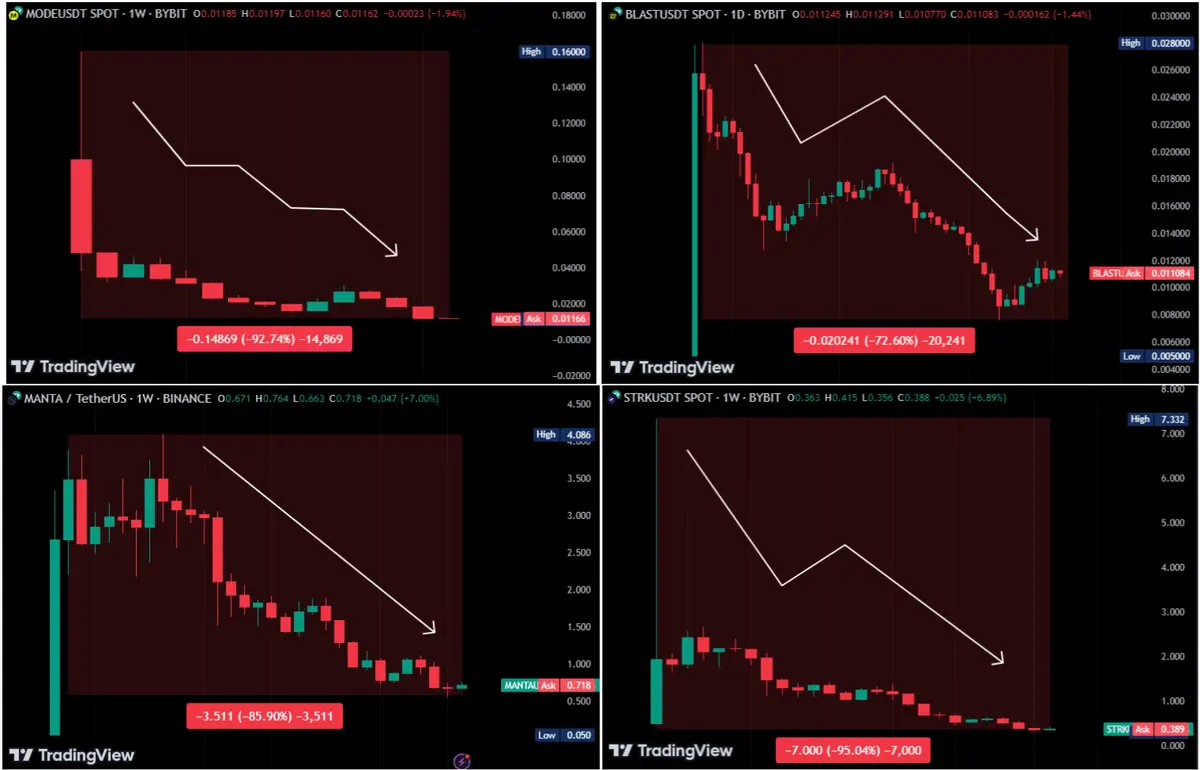
Early airdrops were often unvetted marketing experiments. Many tokens launched with weak fundamentals and underperformed significantly src-serp-1. The market has corrected. Today, value is derived from user retention and genuine utility, not just volume manipulation.
Why infrastructure matters more than volume
Protocols are now prioritizing metrics that signal long-term health. They look for:
- Active Daily Users: Not just wallet connections, but consistent interaction.
- Capital Efficiency: How much value is actually locked or used in the system.
- Retention Rates: Do users come back after the initial incentive?
Focusing on these metrics separates viable strategies from noise. The difference between a profitable farm and a wasted effort is often the difference between a protocol with real utility and one with only a token launch plan.
The current state of play
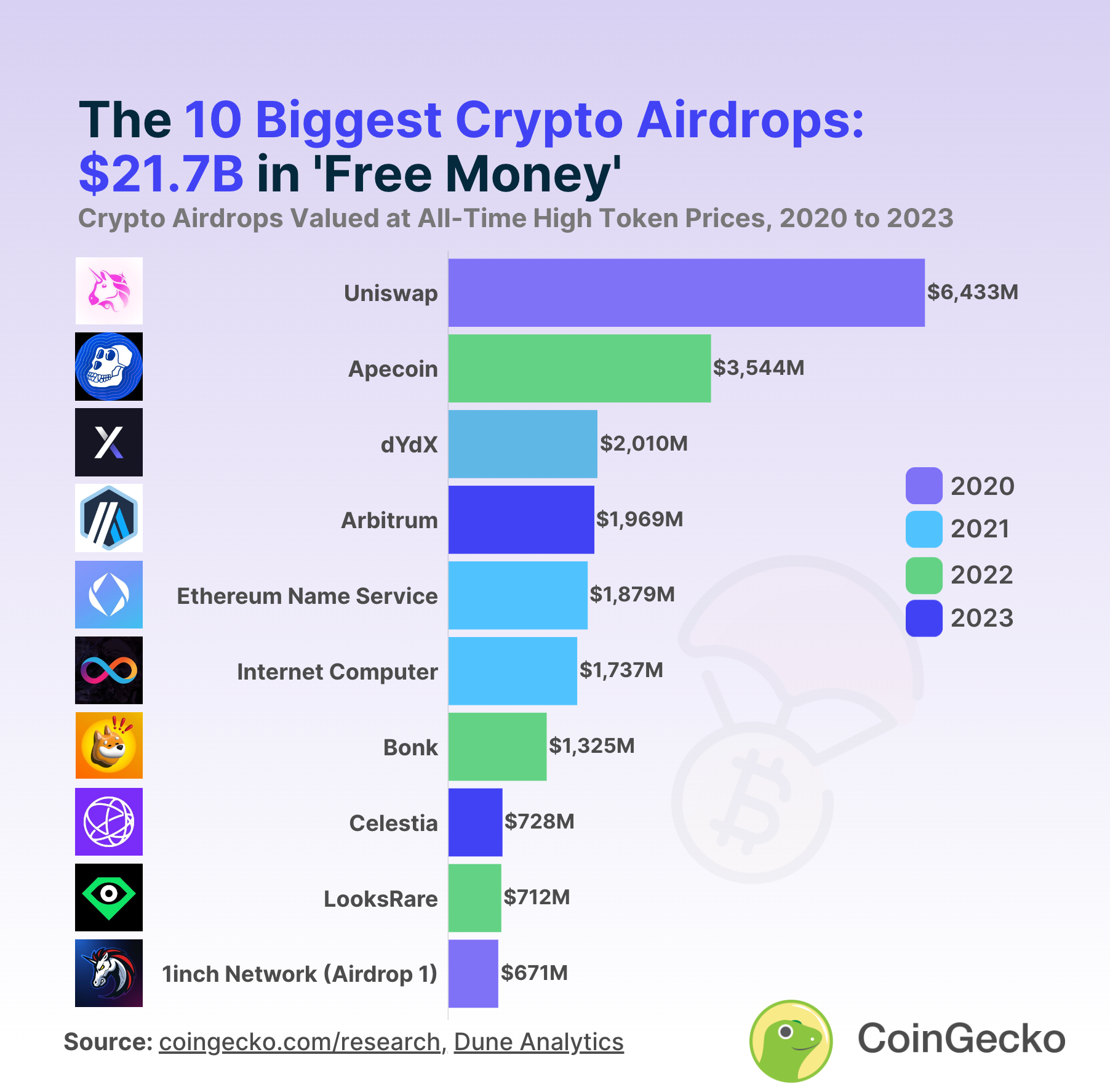
There is still disagreement on whether points benefit users in the long term compared to traditional airdrops src-serp-4. However, the trend is clear: protocols are becoming more selective. They are building systems that require sustained effort, not just a one-time swap.
This shift means your strategy must evolve. You need to track protocol health, not just point balances. Look for projects that are building real infrastructure, not just marketing campaigns. The winners in 2026 will be those who provide value, not just those who collect points.
Comparing Top Infrastructure Plays
The points meta has shifted from a guessing game to a numbers-driven exercise. In 2026, the most profitable strategies rely on understanding the underlying infrastructure metrics rather than chasing viral marketing. By comparing the top contenders side-by-side, you can identify where your capital and attention will yield the highest return.
The following comparison focuses on three distinct infrastructure plays: Base, Polymarket, and Hyperliquid. Each offers a different risk-reward profile based on total value locked (TVL), points velocity, and historical airdrop precedent. Understanding these differences is essential for building a diversified 2026 strategy.
| Project | Primary Mechanism | Estimated TVL | Points Velocity | Historical Precedent |
|---|---|---|---|---|
| Base | L2 Network Activity | High | Moderate | Coinbase Ecosystem Rewards |
| Polymarket | Prediction Market Volume | Medium | High | No Token Yet (Potential) |
| Hyperliquid | Perpetuals DEX | Very High | Low | 274M HYPE Airdropped |
Base remains the heavyweight champion of the current cycle. As Coinbase’s Layer 2, it benefits from massive brand recognition and a clear path to tokenization through its ecosystem rewards. The strategy here is volume: bridging assets and using dApps to generate on-chain activity. While the points velocity is moderate, the sheer scale of potential rewards makes it a mandatory position for most portfolios.
Polymarket offers a high-velocity alternative. Its unique model relies on prediction market volume, which tends to spike during major news events. This creates bursts of high activity that can accelerate points accumulation. However, the lack of a token launch date introduces uncertainty. This is a high-risk, high-reward play suitable for those willing to tolerate ambiguity for potentially faster point accrual.
Hyperliquid represents the high-liquidity end of the spectrum. With a massive TVL and a proven track record—having already airdropped 274 million HYPE tokens—the project has de-risked itself significantly. The points velocity is currently lower, suggesting that the easy points have been harvested. The opportunity now lies in long-term holding and participating in new ecosystem integrations rather than frantic farming.
Live Market Data
Tracking the price action of these infrastructure plays is critical for timing your entries. Below are live charts for the leading assets in this comparison.
Required Gear for Efficient Farming
To execute these strategies effectively, you need reliable hardware and secure storage solutions. The following products are essential for managing multiple wallets and ensuring secure transactions across different chains.


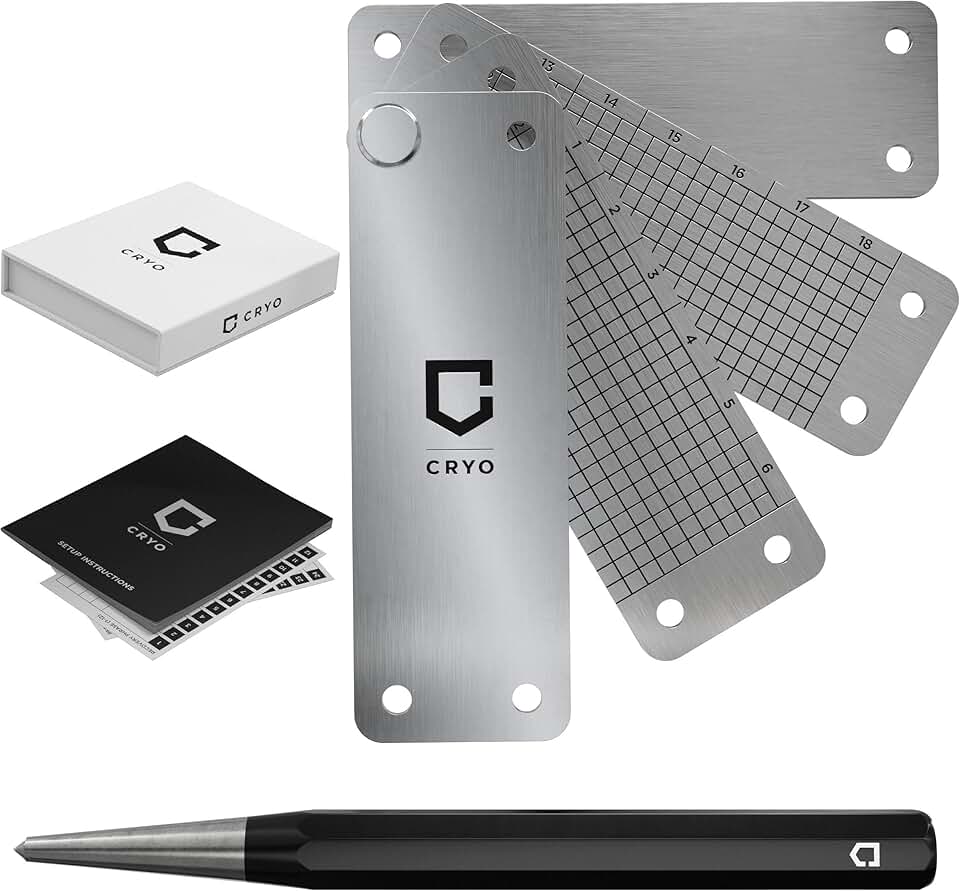
As an Amazon Associate, we may earn from qualifying purchases.
Final Verdict
For a balanced 2026 portfolio, allocate the majority of your effort to Base for its ecosystem stability. Use Polymarket for opportunistic, high-velocity farming during news cycles. Keep a smaller position in Hyperliquid to benefit from its established liquidity and potential future airdrops. This diversified approach minimizes risk while maximizing exposure to the most promising infrastructure plays.
Measuring infrastructure health
You can’t build a 2026 points strategy on hype alone. If the underlying protocol is bleeding users or burning liquidity, your farming effort is just donating time. Before you commit capital or gas to a new points program, treat it like a due diligence check for a traditional business. You need to verify that the protocol has actual product-market fit and sustainable mechanics.
Check on-chain volume and active users
Points are a liability on a balance sheet; they only have value if the protocol generates real revenue or usage. Look for protocols with consistent daily active users (DAU) and trading volume. A points program on a dead chain is a trap. If the volume is artificially inflated by wash trading or bot farms, the points will likely be worthless at distribution.
Use on-chain explorers and analytics dashboards to track the health of the specific chain or protocol you’re targeting. Look for trends, not just daily snapshots. A sudden spike in volume followed by a crash is a red flag for manipulation.
Evaluate tokenomics and vesting schedules
The way a project distributes points matters as much as the points themselves. Check if the project has a clear tokenomics model. Are points convertible to tokens? Is there a vesting period? If the token unlocks all at once, expect a massive dump.
Good projects align incentives. They might lock points for a period or require staking to earn more. This filters out casual farmers and ensures that only committed users benefit from the long-term growth of the protocol. If the terms are vague or the tokenomics are opaque, walk away.
Look for real-world utility
The best points programs are attached to protocols with real-world utility. Does the protocol offer a service that people actually use? If the only reason people interact with the protocol is to farm points, the program is likely unsustainable. Look for projects that have integrated into existing ecosystems or offer unique financial products.
A protocol that solves a real problem will retain users even after the points program ends. This is the key to long-term value. If the protocol disappears when the points stop, you’ve been farming a ghost.
Tools for maximizing yields
Efficient farming in 2026 is less about luck and more about infrastructure. You need systems that handle cross-chain complexity and automate repetitive tasks. Manual clicking won't cut it when the window to claim points is narrow. The goal is to reduce gas waste and maximize interaction quality across multiple protocols.
Automation and Multi-Chain Management
The first step is consolidating your activity. Using a single wallet across five different chains creates fragmentation. Instead, use aggregators that track your points across networks. These tools act as a central dashboard, showing you exactly which protocols are about to drop points and which ones are inactive. This visibility prevents you from wasting gas on dead projects.
Automation is the next layer. Set up scripts or use built-in bot features to perform daily interactions like bridge swaps or liquidity provision. The key is consistency. A protocol that requires 30 days of daily activity is easier to farm with automation than one requiring random high-value transactions. Focus on tools that allow you to schedule these interactions during low-fee periods.
Live Market Context
You cannot farm efficiently if you are unaware of the underlying asset's volatility. Points have value only if the token retains it. Monitoring live price action helps you decide when to hold points and when to sell early. Use live widgets to track the primary infrastructure token's performance.
This widget tracks Hyperliquid, a leading example of points-based distribution. Watching its price action helps you understand how the market prices future airdrop expectations. If the price drops significantly after a points announcement, it may signal that the market is pricing in a large sell-off. Adjust your farming strategy accordingly—sometimes, holding off on new positions is the best move.
Risk Management Tools
Finally, use risk management tools to protect your capital. Set stop-losses on any tokens you receive from farming. The volatility of points-based tokens can be extreme. A tool that tracks your total exposure across all farming positions helps you avoid over-leveraging on a single protocol. This disciplined approach ensures that one failed airdrop doesn't wipe out your entire strategy.
Risk management in points farming
Points farming is not a savings account; it is a high-variance speculative position. While the potential upside of a Meta airdrop is significant, the infrastructure risks are often overlooked. You are interacting with smart contracts that may contain vulnerabilities, and you are committing capital that could be trapped in protocols with unclear tokenomics. The difference between a strategic airdrop participant and a victim is often just a clear understanding of these downsides.
Smart Contract and Regulatory Exposure
Every interaction with a points-based protocol carries the risk of code failure. Smart contract audits are not guarantees; they are snapshots of security at a specific point in time. A single exploit can drain a liquidity pool or freeze user funds, turning potential points into zero value. Beyond technical risk, the regulatory landscape for points is shifting. Authorities are increasingly scrutinizing whether points constitute unregistered securities, especially when they are marketed with promises of future token distribution. This uncertainty can lead to sudden protocol shutdowns or forced compliance measures that wipe out farming rewards overnight.
Opportunity Cost and Capital Efficiency
The most hidden cost of points farming is opportunity cost. Capital locked in a points protocol is capital not earning yield elsewhere or deployed in more liquid assets. If the Meta airdrop fails to materialize or the token price crashes post-launch, you have lost both the potential reward and the time value of your money. Many participants treat points as "free money," but they are actually paying with their capital efficiency. A rigorous risk management strategy requires calculating the maximum loss you can absorb if the points become worthless, rather than focusing solely on the best-case scenario.
Never farm more than you can afford to lose. Points are not guaranteed tokens.
Monitoring Protocol Health
To mitigate these risks, treat your points farming like an active investment portfolio, not a passive activity. Regularly monitor the protocol's on-chain metrics, total value locked (TVL), and any governance proposals that might alter token distribution. Use provider-backed widgets to track the performance of similar assets in the market, ensuring you have real-time data on the broader ecosystem's health. If a protocol shows signs of instability, such as a rapid decline in TVL or unusual governance activity, be prepared to exit the position quickly. Risk management is not about avoiding loss entirely; it is about ensuring that any loss is survivable and does not jeopardize your overall financial position.
Frequently asked: what to check next
How to spot a good airdrop?
A good airdrop is a reward from a project with real utility, transparency, and long-term potential, not just free tokens. Look for protocols that have active on-chain usage, clear tokenomics, and teams that are building rather than just marketing. Bad airdrops promise free money but offer little to no value, often existing solely to harvest attention or data.
What is the average airdrop amount?
Distribution varies wildly by project size and strategy. For example, Hyperliquid airdropped 274 million HYPE tokens to over 94,000 wallets, resulting in an average of roughly 2,915 HYPE per address, though the median was much lower at 64.53 HYPE. This disparity highlights that "average" metrics can be misleading; the median often tells a more realistic story of what typical participants receive.
What crypto has 1000x potential?
Predicting 1000x returns is speculative, but projects with strong fundamentals, scalable tokenomics, and real-world usage are the primary candidates. Assets like Kyuzo's Friends (KO), ZEROBASE (ZBT), and aPriori (APR) are often cited in high-growth analyses. However, these high-risk plays require deep due diligence on team transparency and product-market fit rather than relying on hype alone.
No comments yet. Be the first to share your thoughts!